Lander deployed and recovered

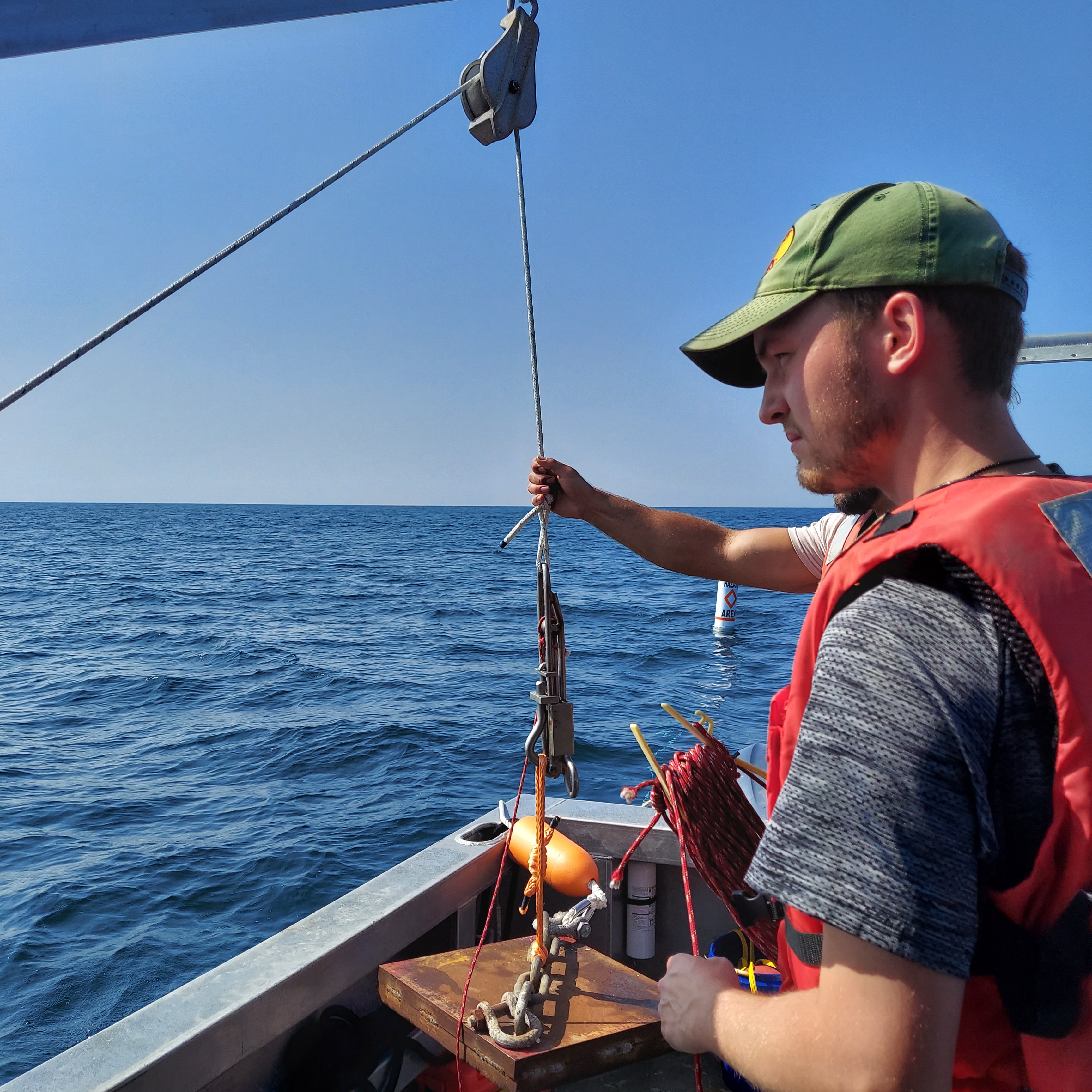
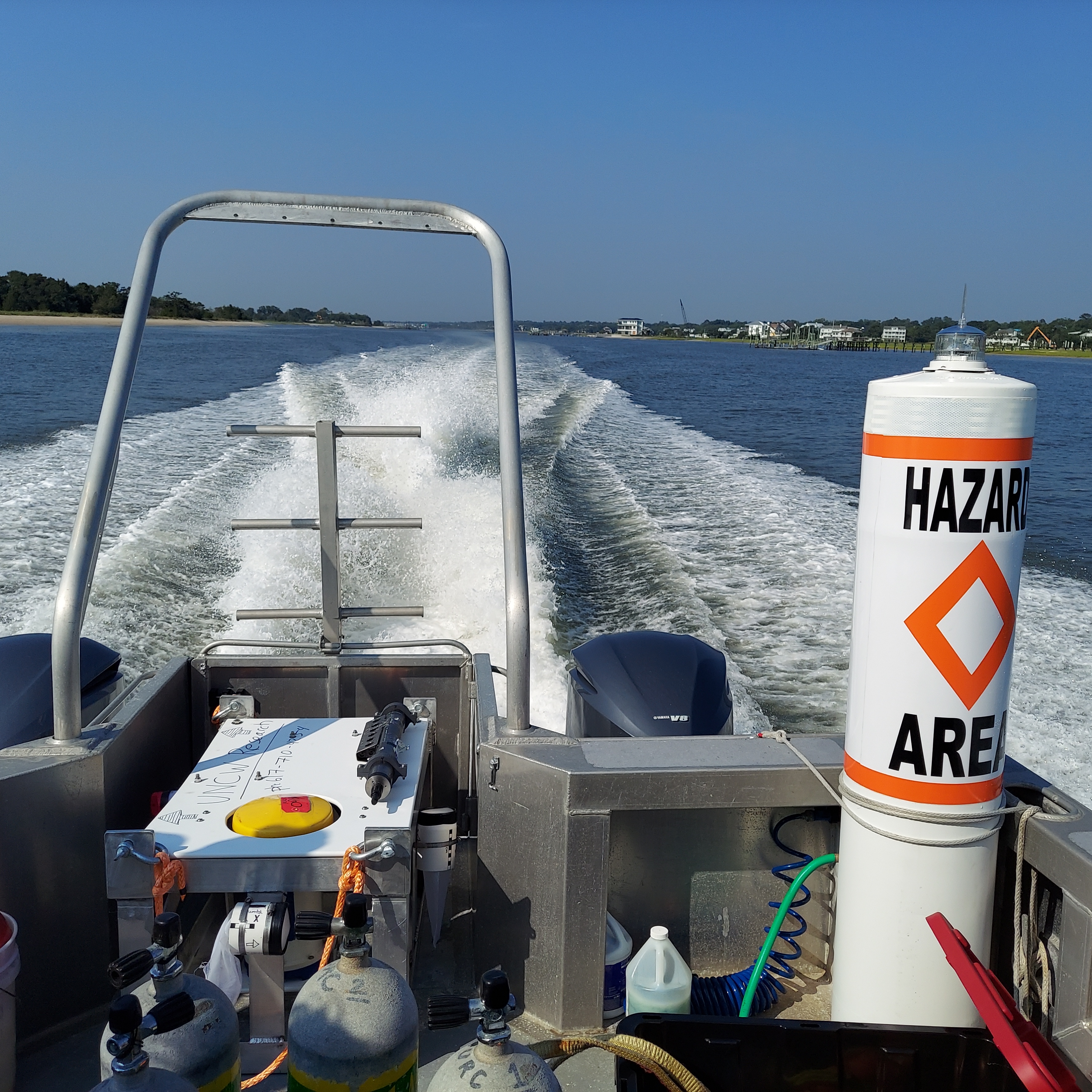
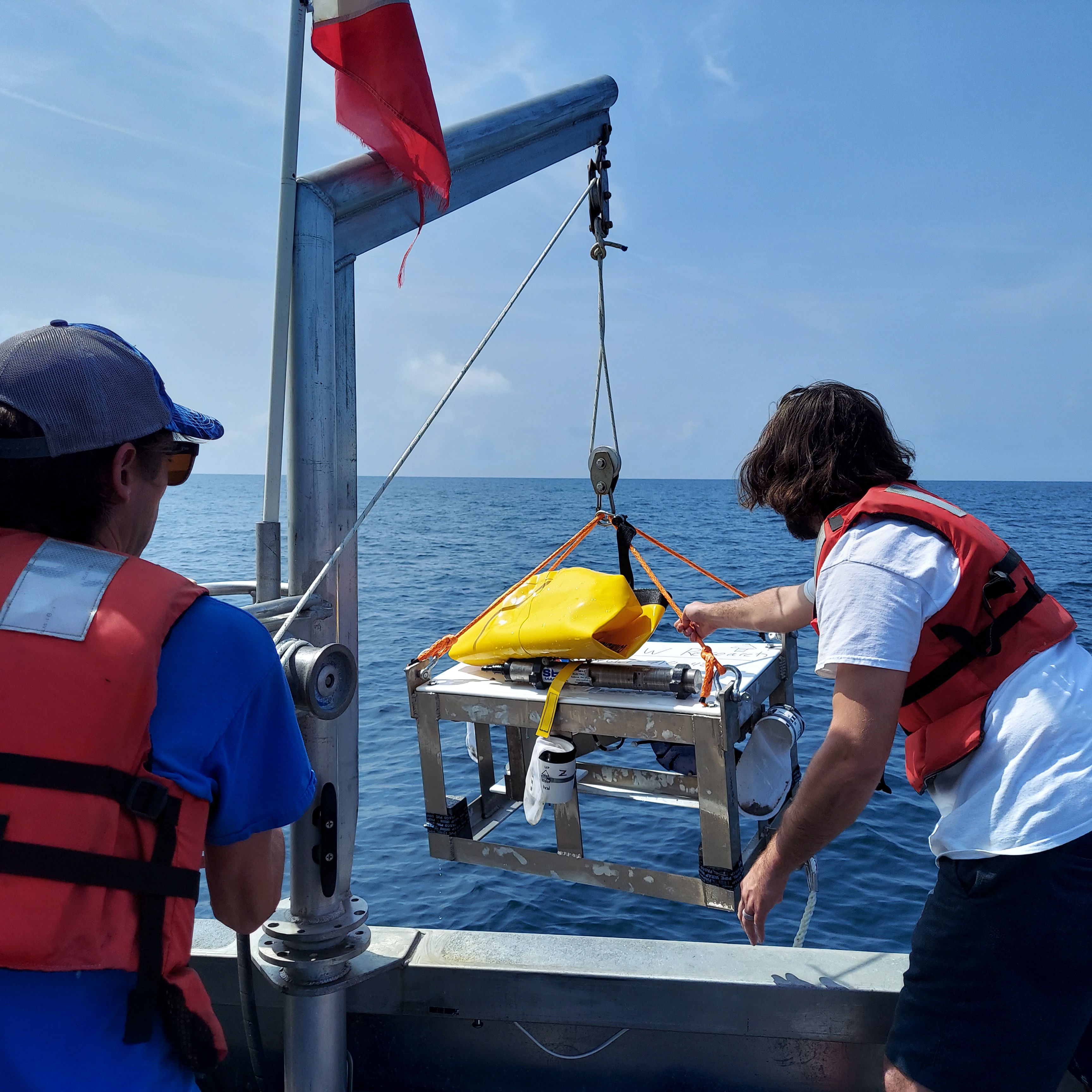
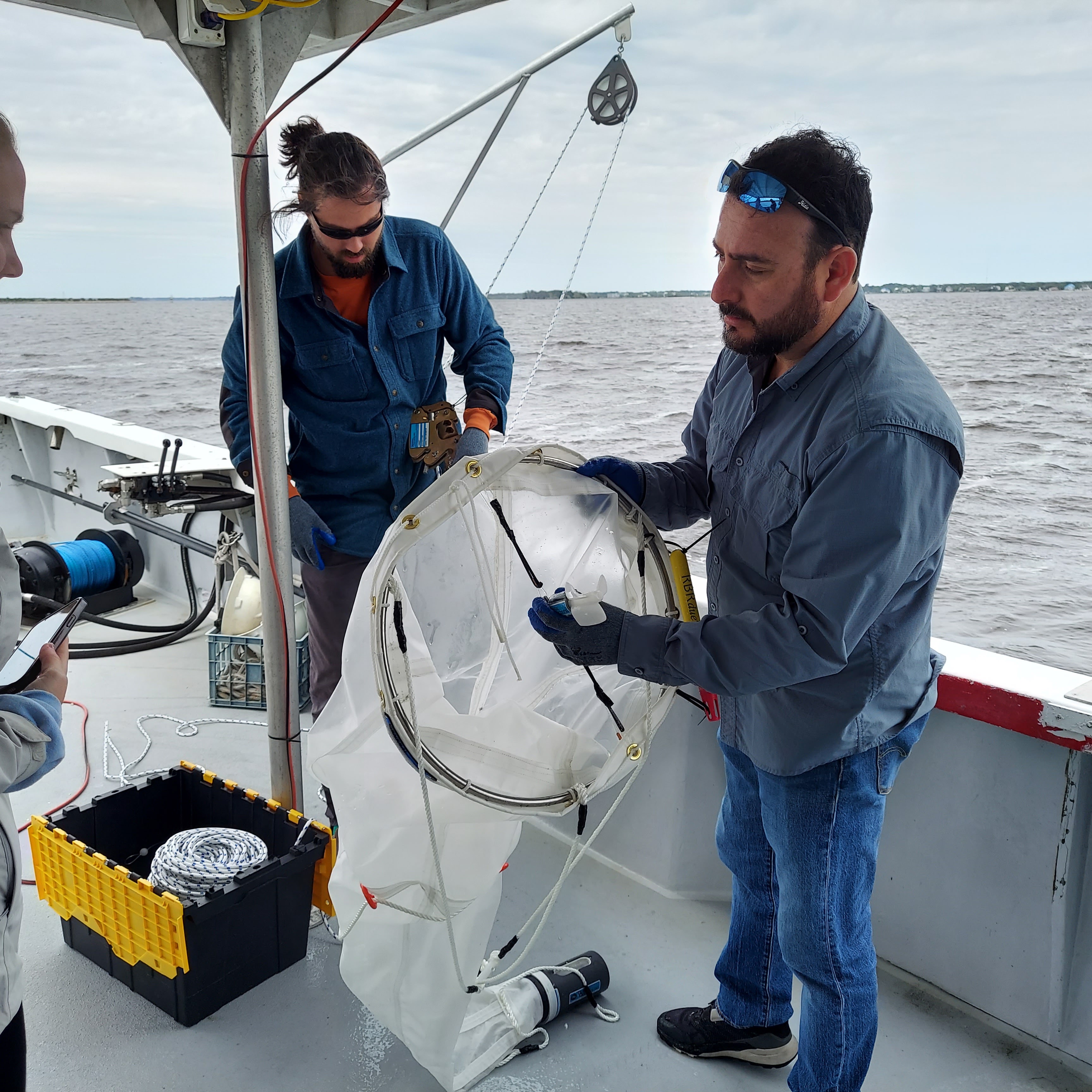
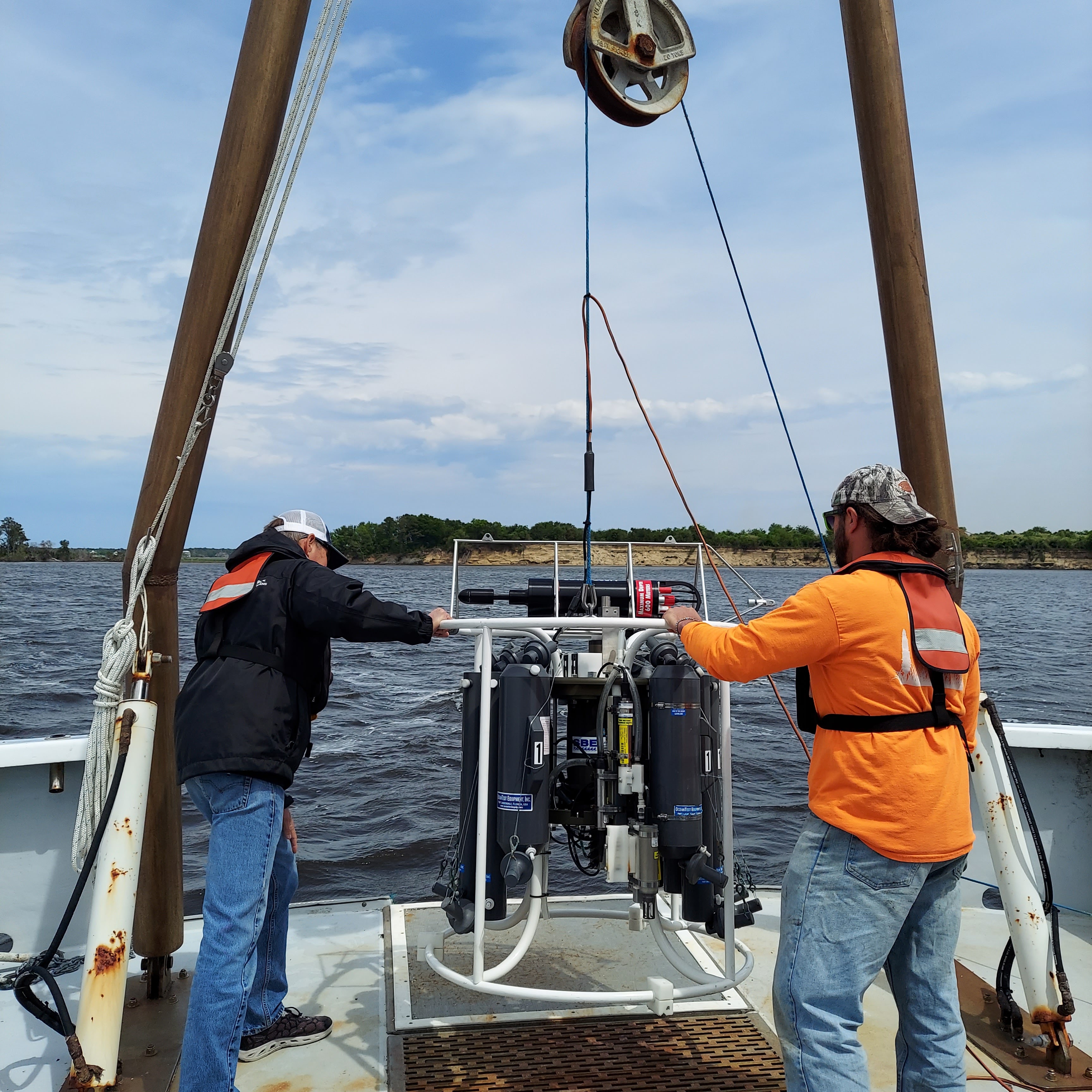
A completed bottom lander was successfully deployed and recovered(!) nearby ILM2 in Onslow Bay. We have been busy preparing and designing the lander and sampling scheme for this array, and I think we have converged on one. Thanks to all of the operations staff at CMS for their efforts on this. It will be exciting to see multiple landers in the water over the next 2 years. Stay tuned!

Johnson PhD thesis submitted

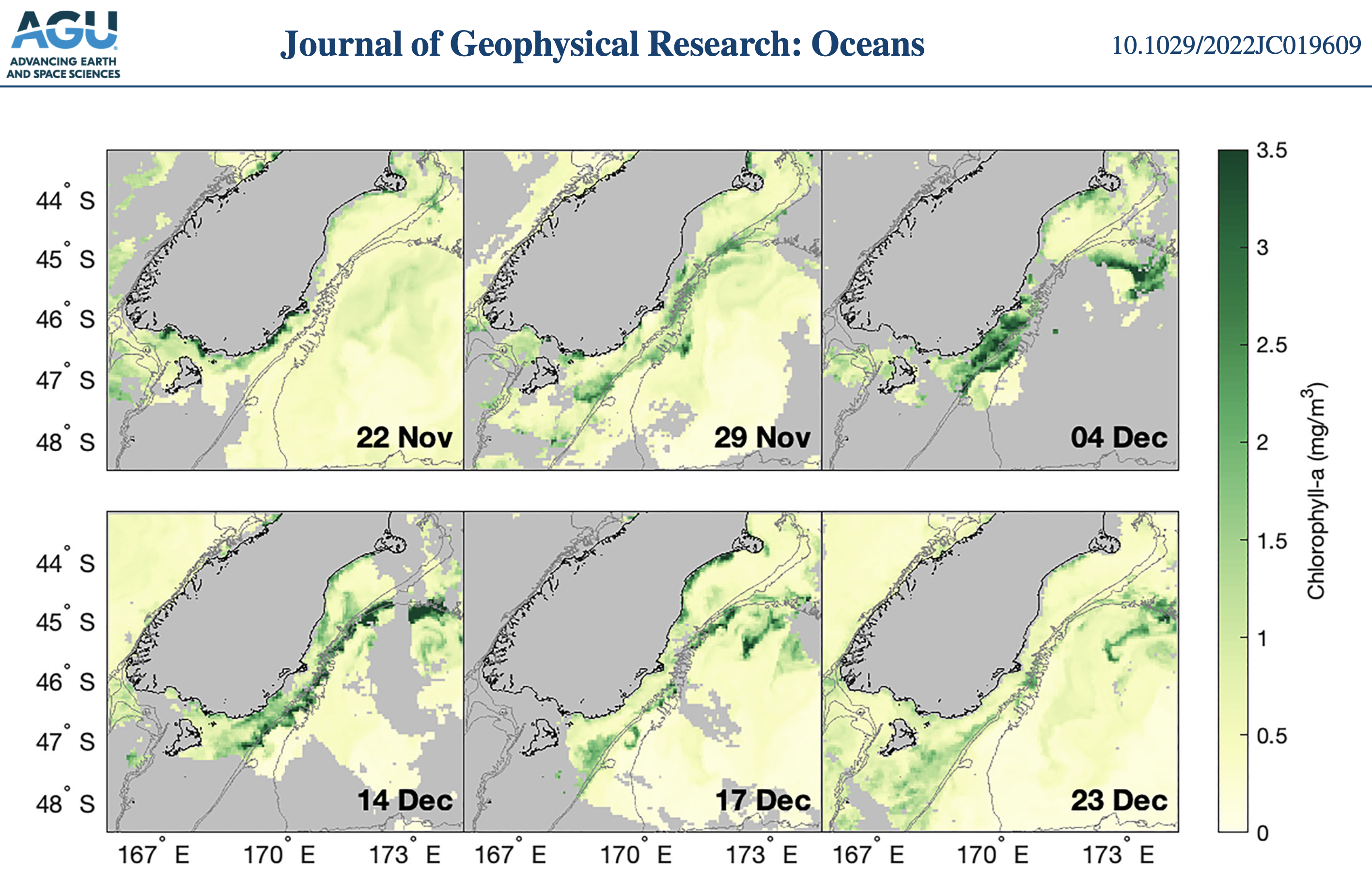
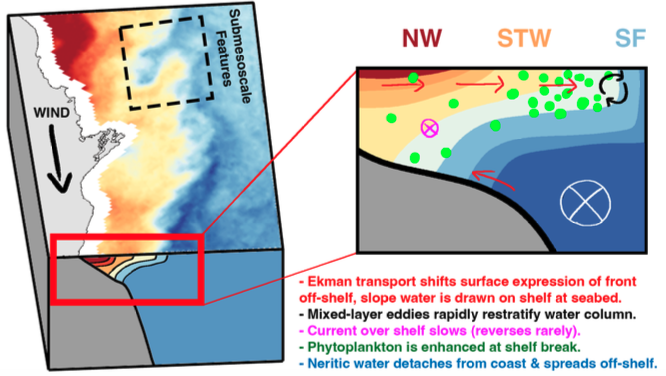
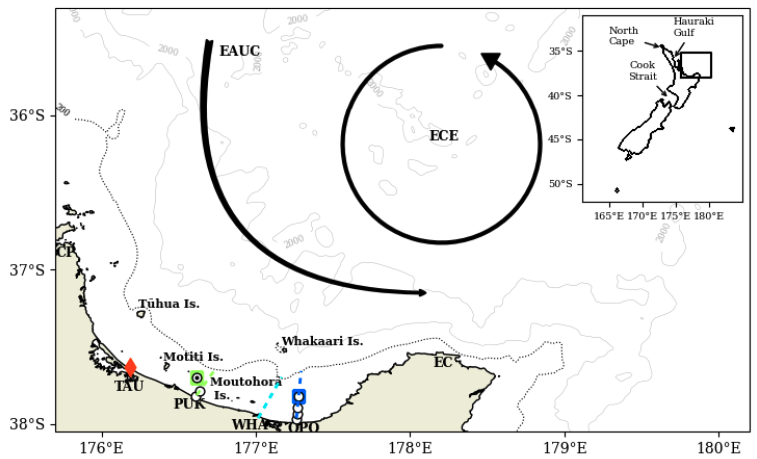
Big kudos to University of Otago PhD student, Erik Johnson, on submitting his PhD thesis! Erik has worked with satellite data, went on several RV Polaris cruises, and analyzed model output to tell a fascinating story of Otago shelfbreak episodic elevated primary productivity dynamics. Erik’s synthesis of event-to-weekly scale variability shows how local wind stress, when directed against the front (see image below) can stratify the water column and enhance productivity with a bloom strength as large as the seasonal cycle. Interestingly, the buoyancy advection is more consistent with small-scale submesoscale dynamics compared to Ekman transport. Congratulations, Erik!

A 20 year reunion

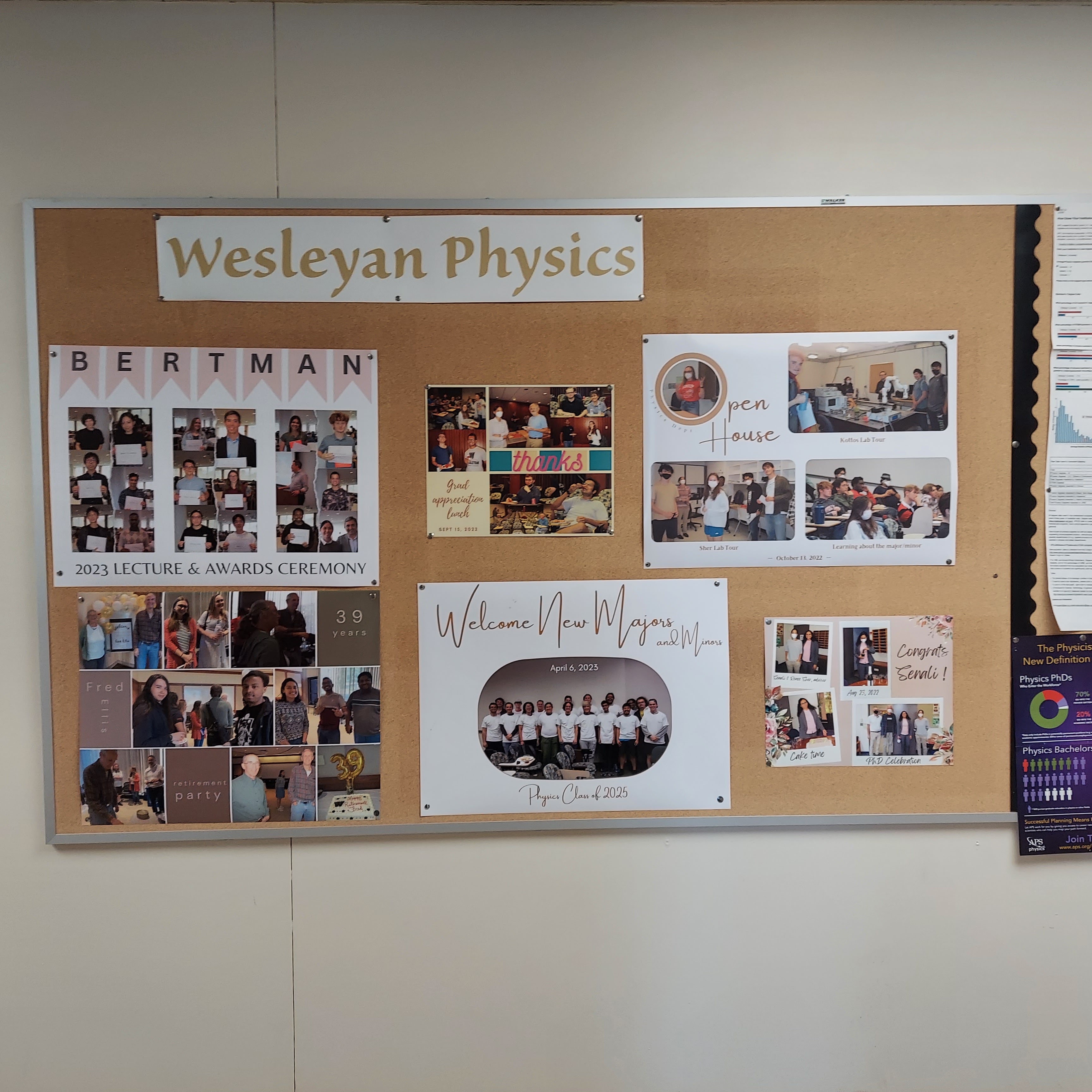
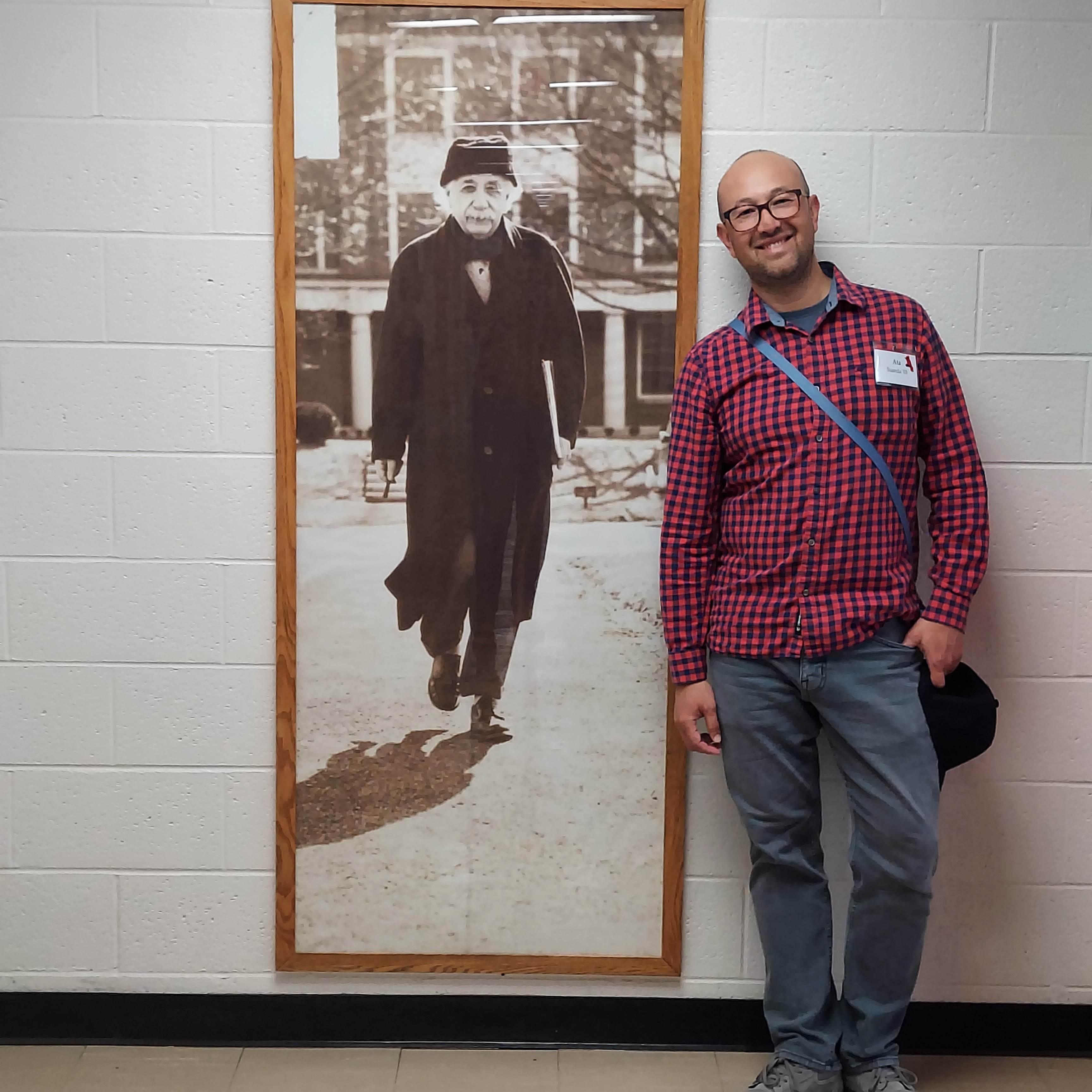
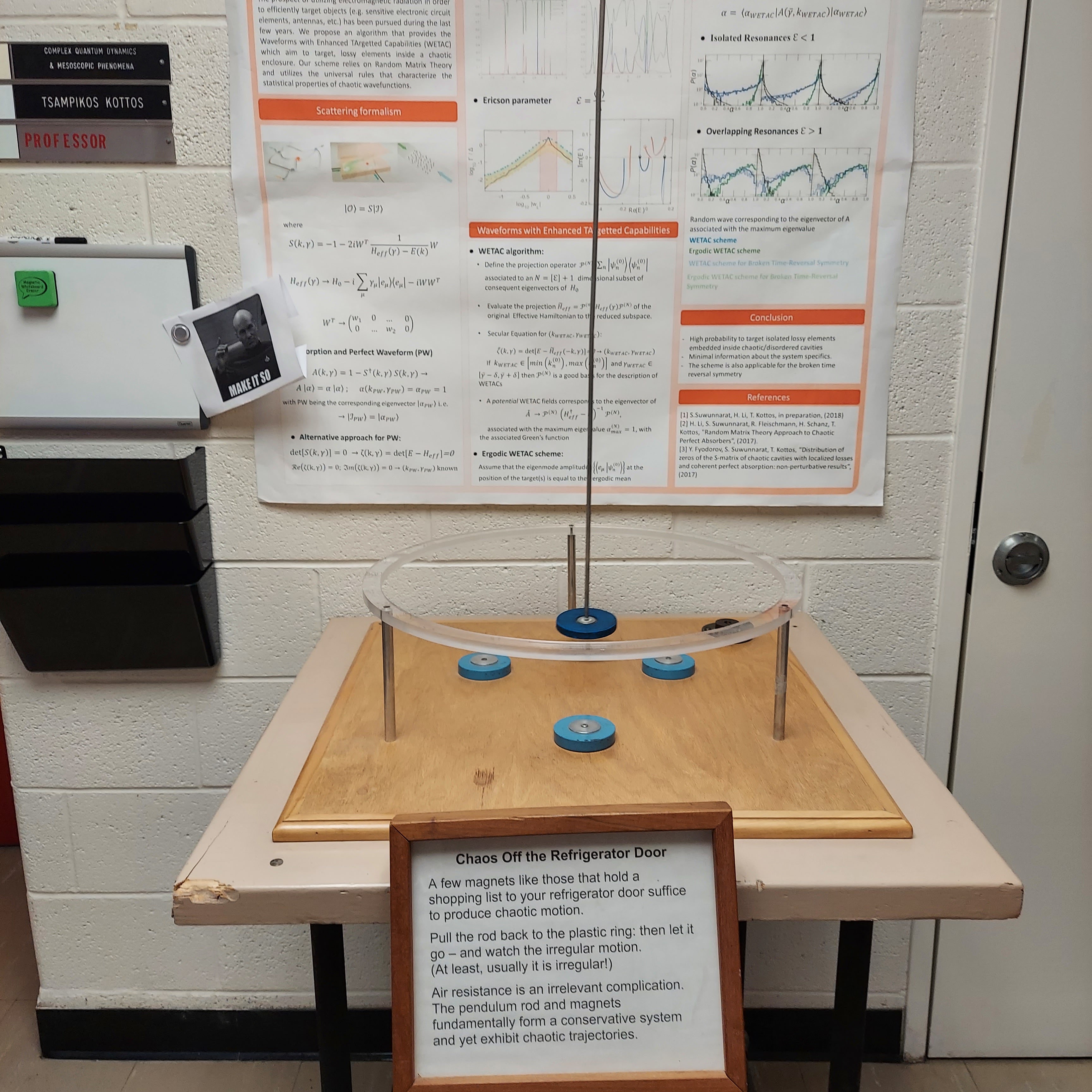
My journey in Physics didn’t start at Wesleyan, but it certainly got a boost. Wandering the halls of the second floor of Exley brought back many memories of the good mischief one gets up to as a Physics Major. Congratulations to my recently retired Professors and great to see some folks are still around!

Orozco PhD thesis submitted

Congratulations to University of Otago PhD student, Mireya Montaño Orozco, on submitting her PhD thesis! In just over 3 years, Mireya completed an excellent modeling study on the whirls and swirls within the Bay of Plenty, New Zealand. She developed and evaluated a 28-year, 1-km scale ROMS model nested within the national-scale Moana Project ROMS hindcast, provided a quantitative description of climatological Eulerian and Lagrangian characteristics, and looked at how modeled connectivity metrics were influenced by biological traits of green-lipped mussels. Excited to have you as a colleague and collaborator!

LISST-HOLO test

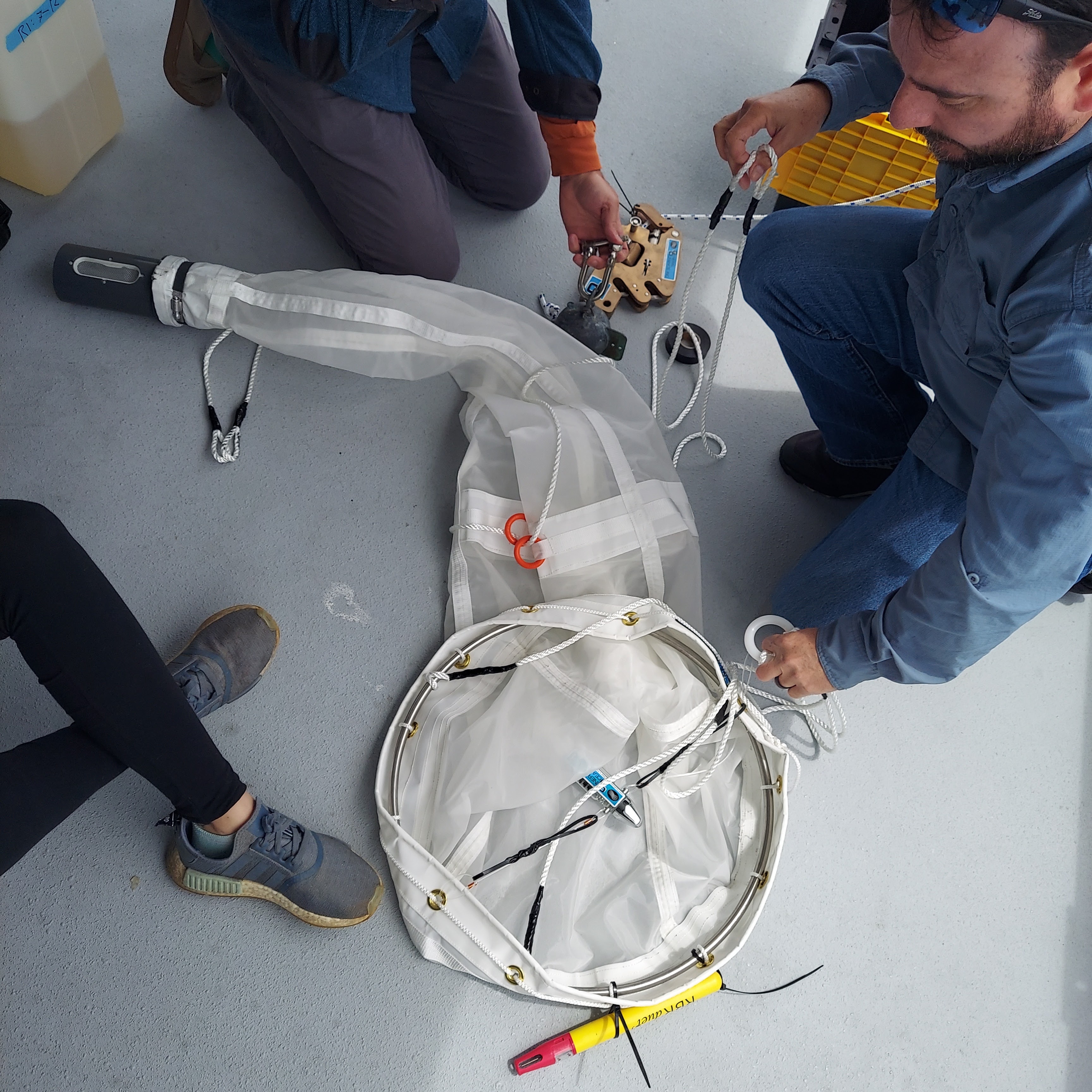
A terrific day on the water last week. Bio-physical sampling is a whole new kettle of fish so we had to work out some details and practice casts with Derek Grimes, Christian Briseño-Avena, and CMS operations crew. Casts conducted with the CTD rosette+LISST-HOLO and plankton tows on RV Cape Fear.

Wave charts from the Marshall Islands

I was late to the game on these, but they are remarkable. Imagine reconstructing what are essentially wave rays or wave crests or diffraction patterns (?!) out of sticks after rocking and rolling around your archipelago…

https://daily.jstor.org/marshall-islands-wave-charts/

and thanks to Jamie Pringle for pointing to the MFA collection:


https://collections.mfa.org/objects/408374/navigation-chart?ctx=03e94b18-d867-4f37-a7e1-71eacbfd392c&idx=0

Bald Head Island surfzone measurements

Great experiment measuring surfzone waves and currents with students in our independent study on Frying Pan Shoals. The only way to get to the Shoals from land is from Bald Head Island. Graciously hosted by BHI Conservancy, we staged, deployed, and recovered all of our instruments this weekend. The students will have a blast with this data set!

Moana Ocean Hindcast evaluation paper published

Check out our new publication releasing the Moana Ocean Hindcast model. This work is published in Geoscientific Model Development and compares a long-running free ROMS hindcast to a suite of offshore and nearshore coastal observations (spoiler alert, it does pretty well!). The model is now used for a variety of physical/biological oceanographic and coastal management studies around NZ:

https://doi.org/10.5194/gmd-16-211-2023

See the Moana Project page for other updates.

New Paper greets the New Year

Check out the new publication from University of Otago PhD candidate, Mireya Montaño in Estuarine, Coastal and Shelf Science! This work describes the development of a coastal-resolving ROMS model from the Bay of Plenty, New Zealand. Circulation patterns, island effects, and particle dispersal characteristics are all contrasted with a low-resolution model and our common expectations from wind-driven coastal upwelling. It’s a great contribution from Mireya towards the Moana Project:

https://doi.org/10.1016/j.ecss.2023.108212