Two papers published with observational analyses from our rocky shorelines project. Led by Olavo Marques and Kaden Quinn, these papers document how a rocky sea bed increases the frictional environment encountered by waves as they approach the shore. Relative to a sandy bottom beach, the rocks also reduce the amount of wave energy available within the surf and the strength of nearshore wind and tidal-driven currents.
All posts
New paper on eddy-driven exchange
Rafa Santana’s paper on submesoscale eddy transport in the East Auckland Current is now out in JGR: Oceans! Eddies of this intermediate scale are found in many boundary current regions. In this work, Rafa was interested in how this scale of eddy traps coastal fluid and exchanges it with the shelfbreak and offshore regions. He also used numerical experiments with and without data-assimilation to show comparable statistics in these small eddies. Although it is common practice to assimilate mesoscale fields, submesoscale activity grows intrinsically in our equations of motion. It is somewhat comforting to know that the “nudging” by large scale data assimilation does not affect the statistics of these features.
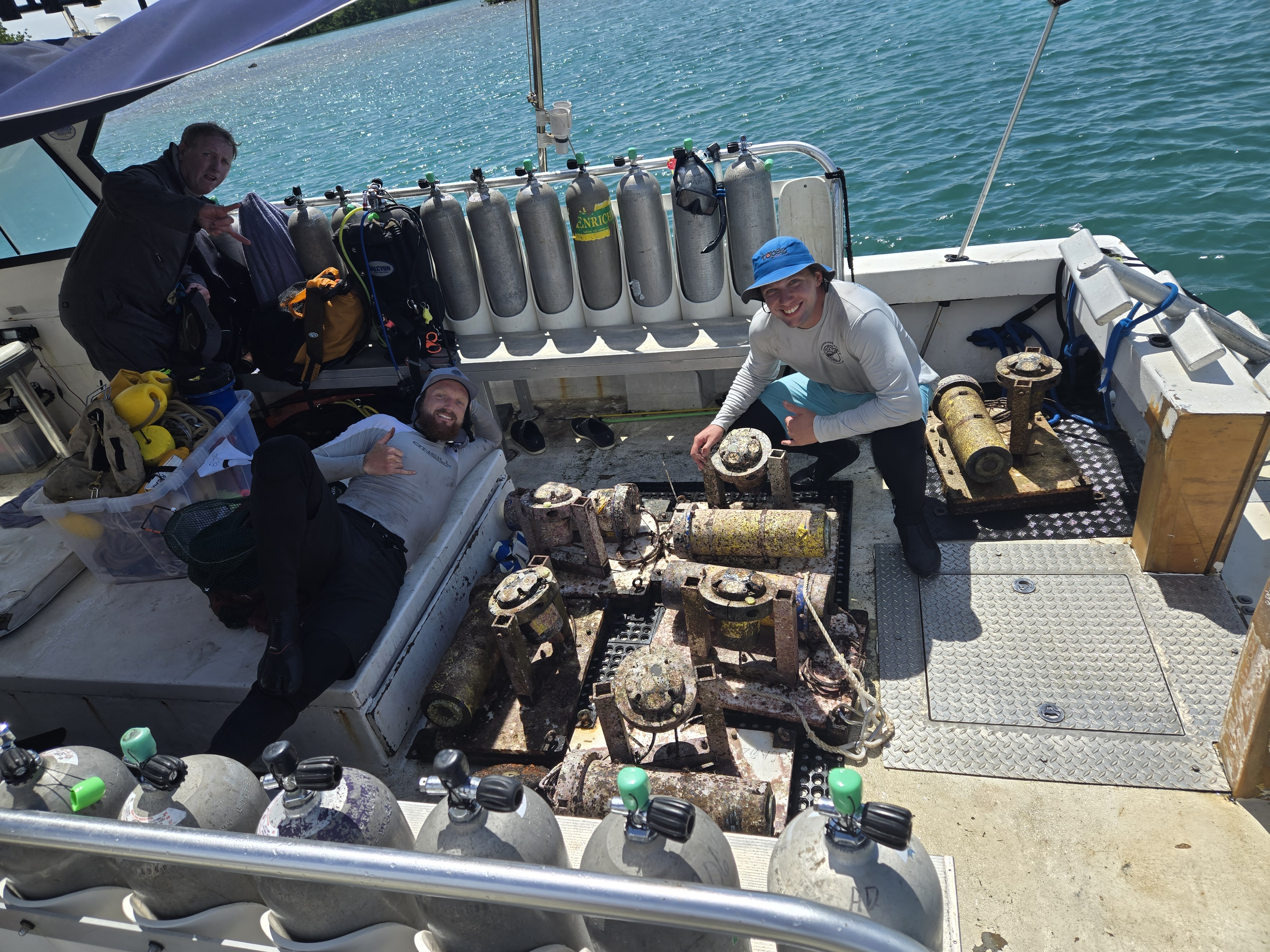
ROXSI St. Thomas recovery
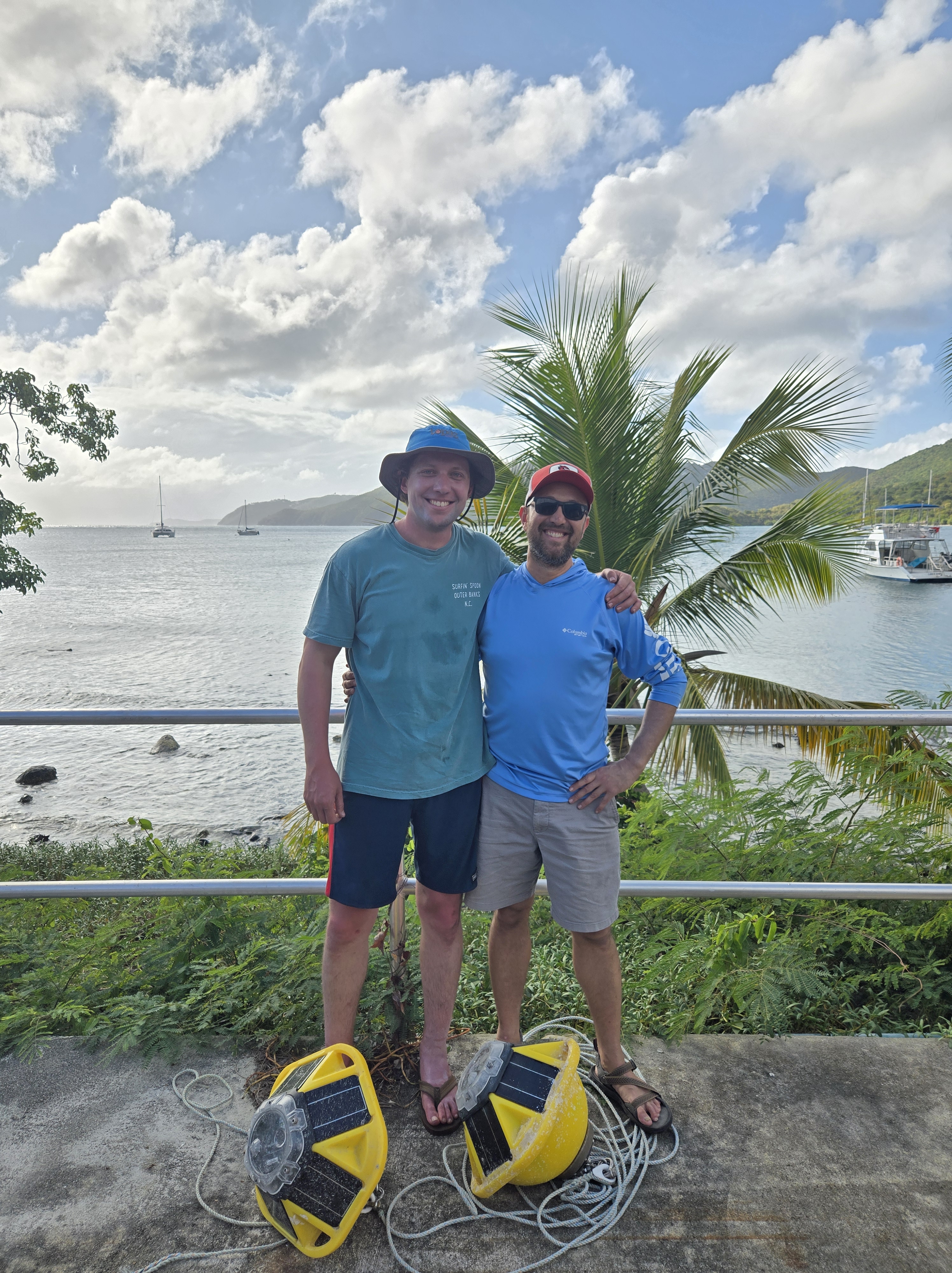
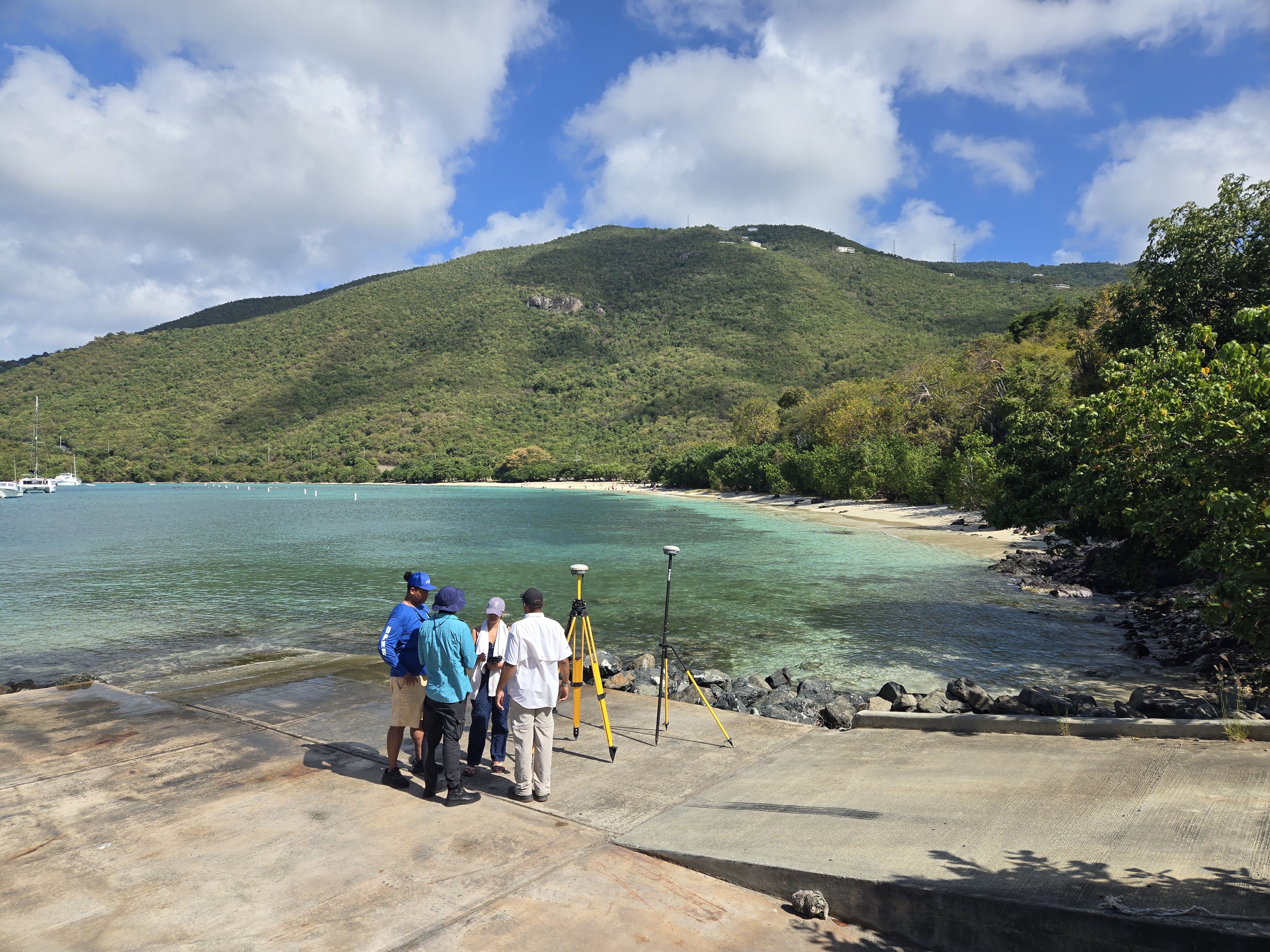
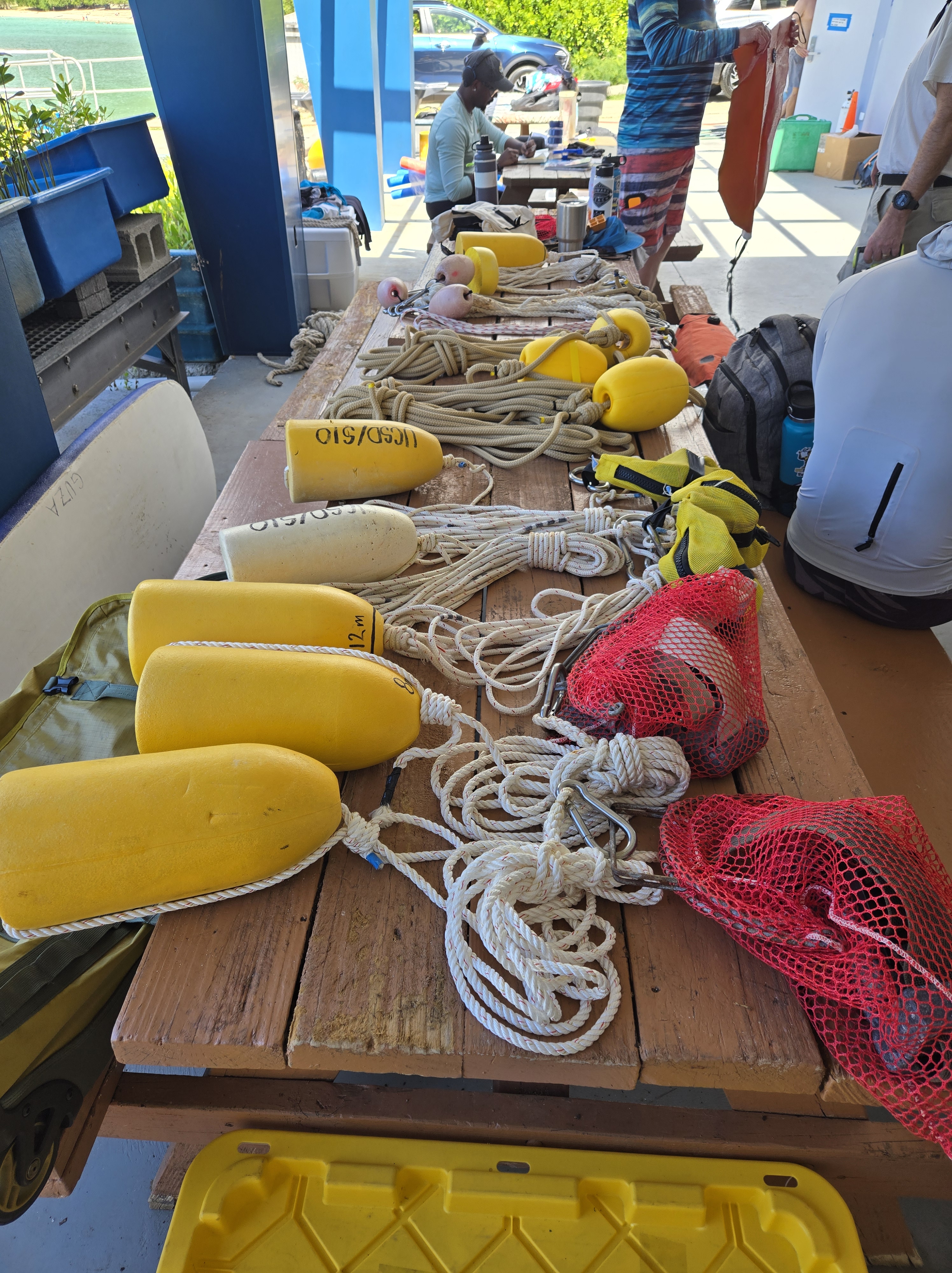
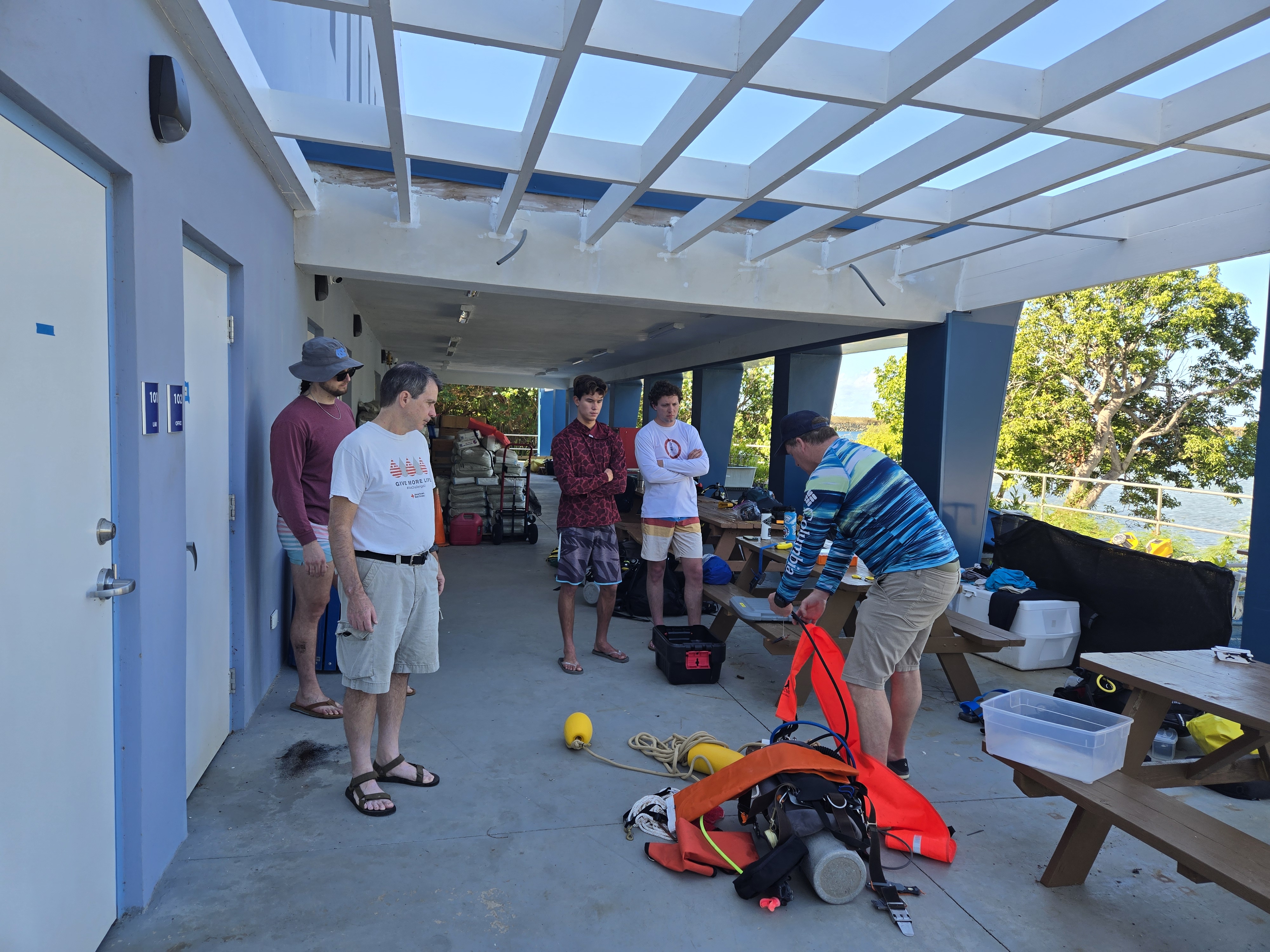
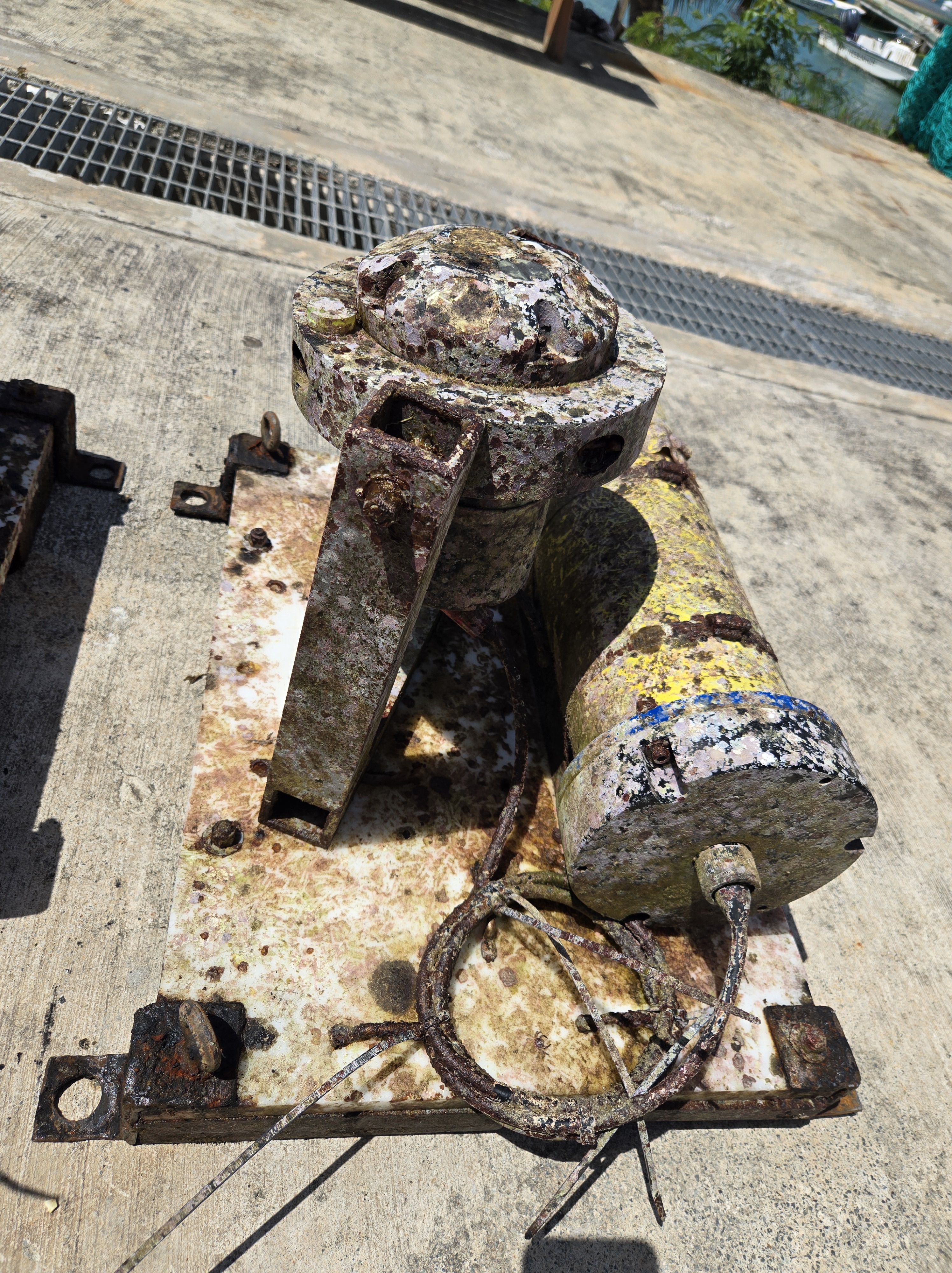
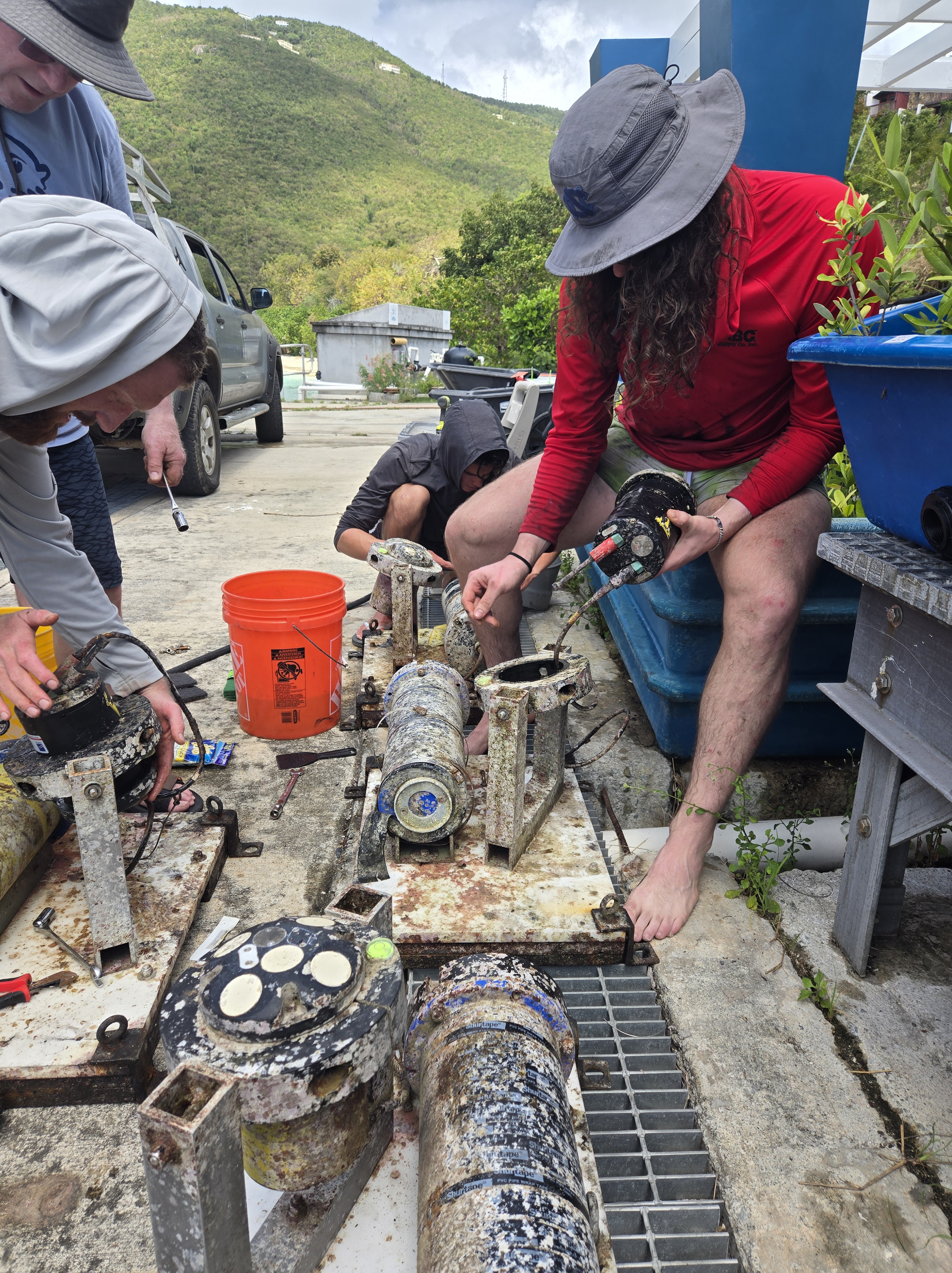
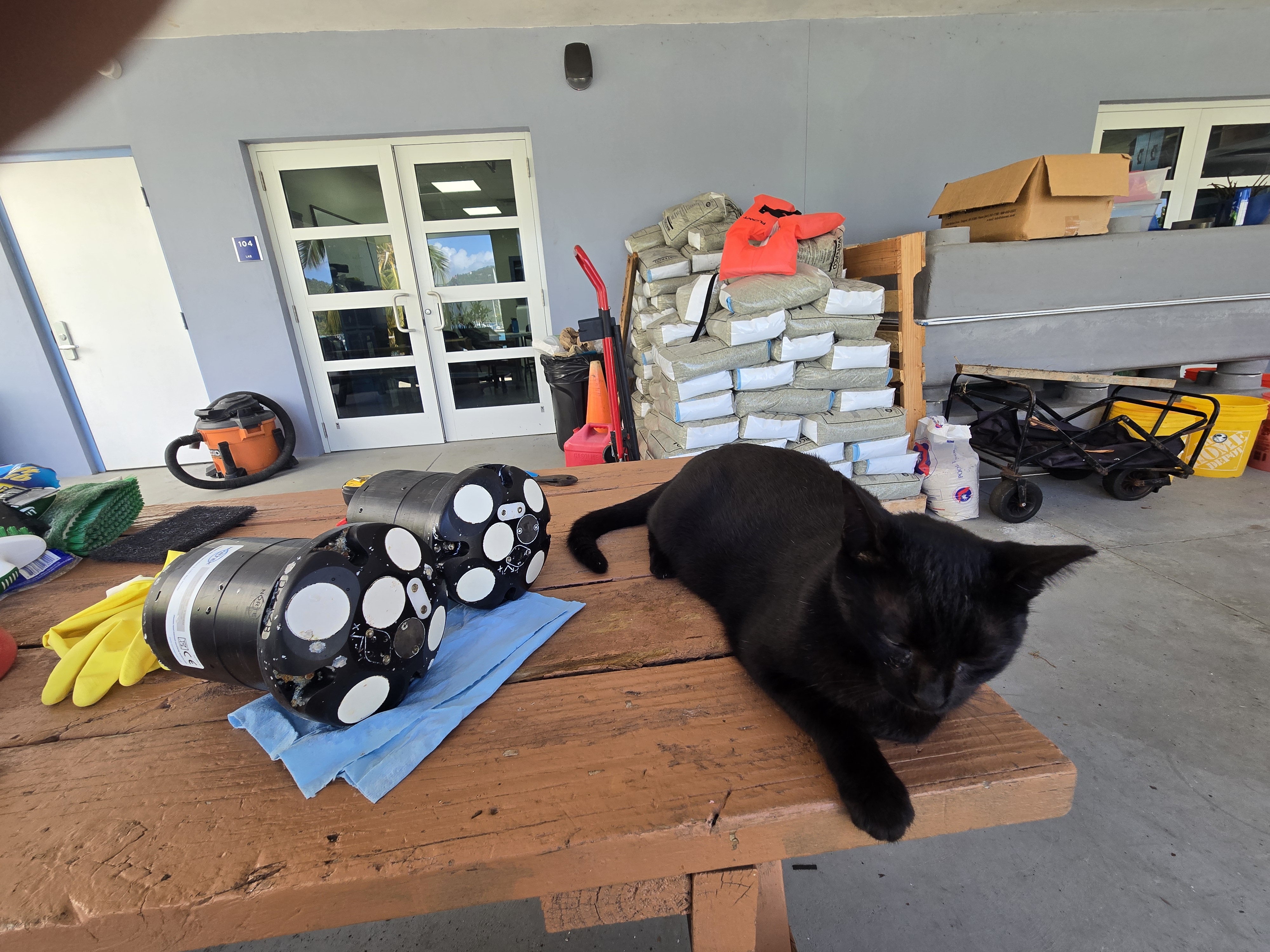
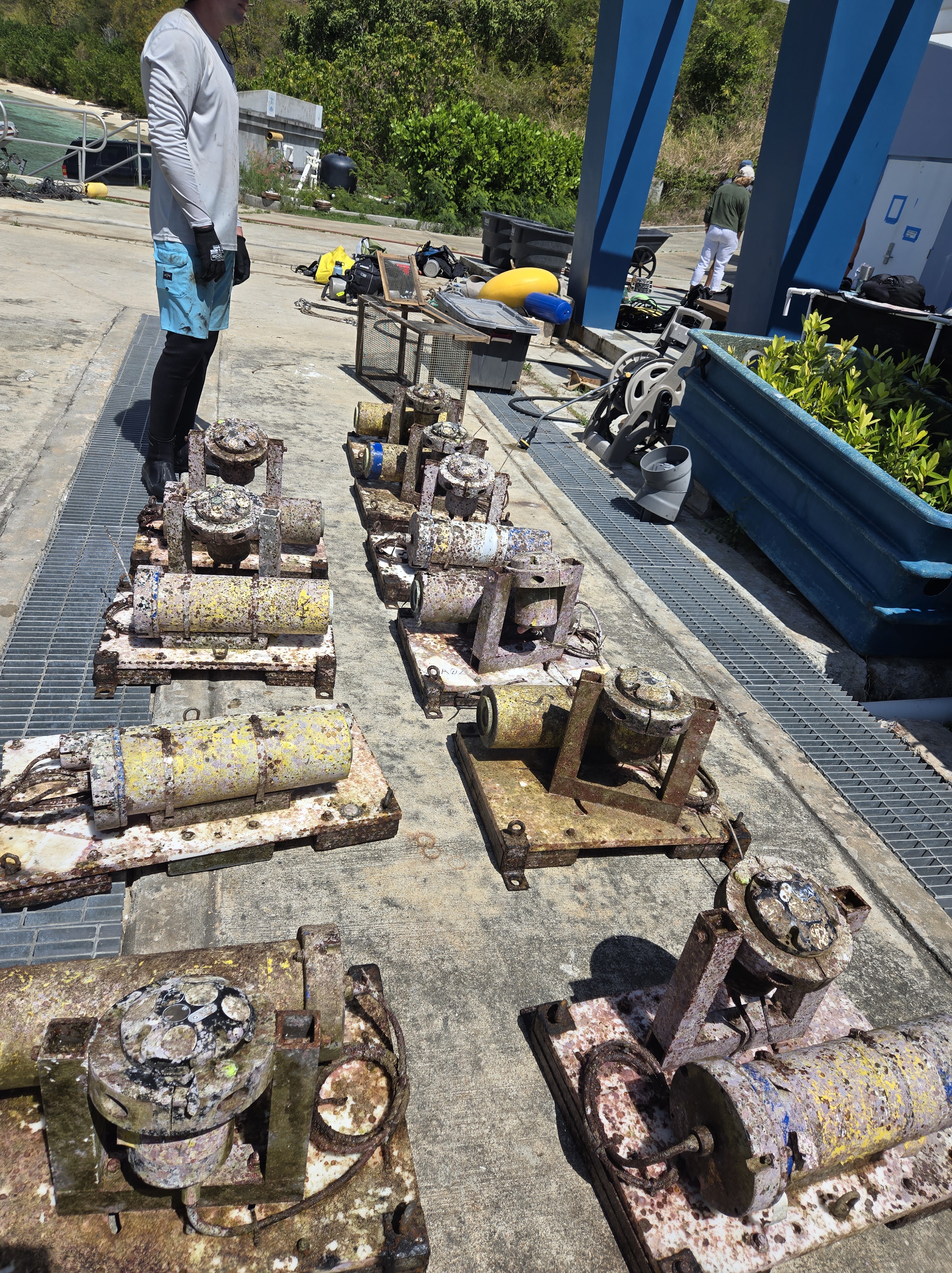
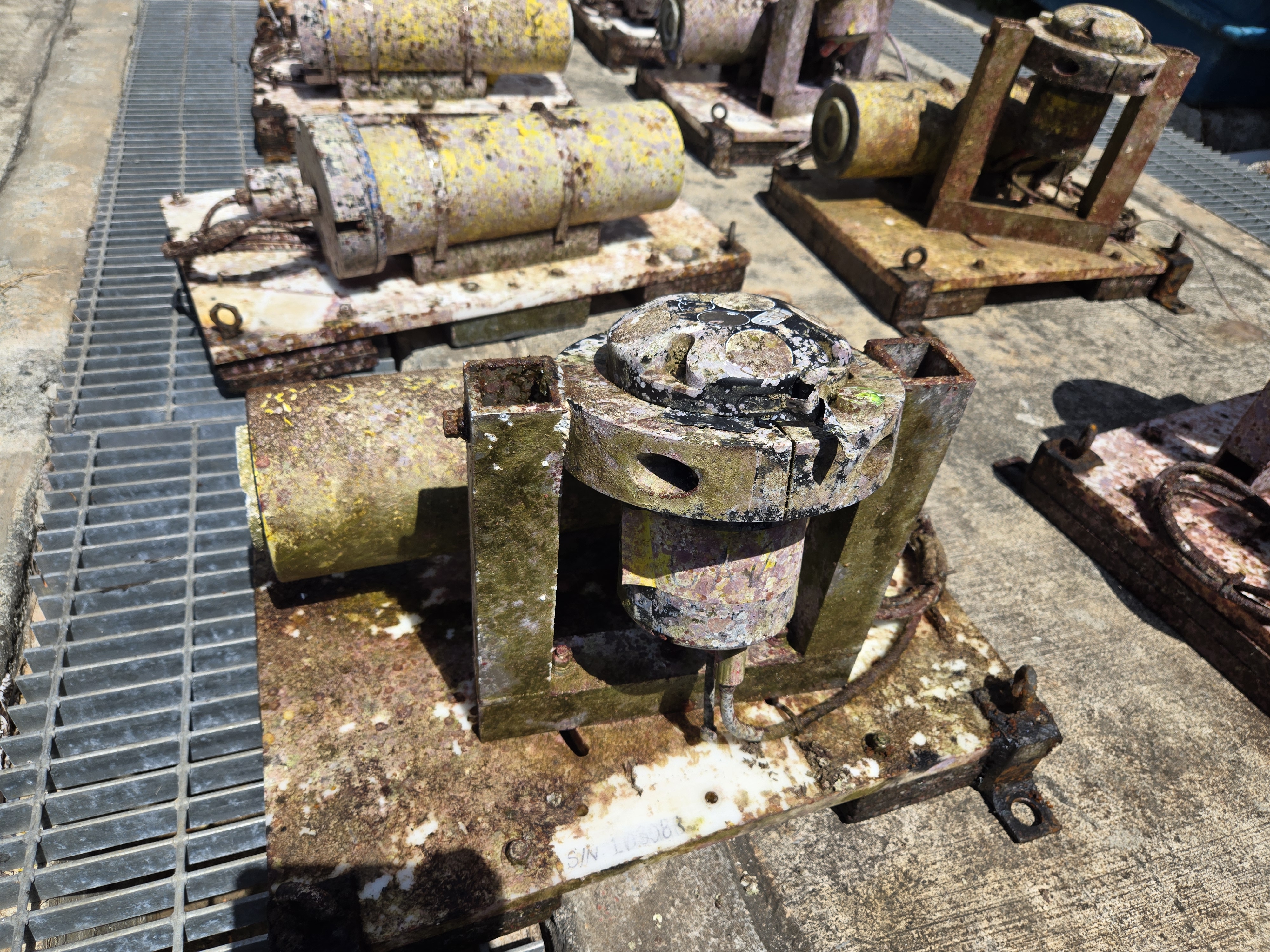
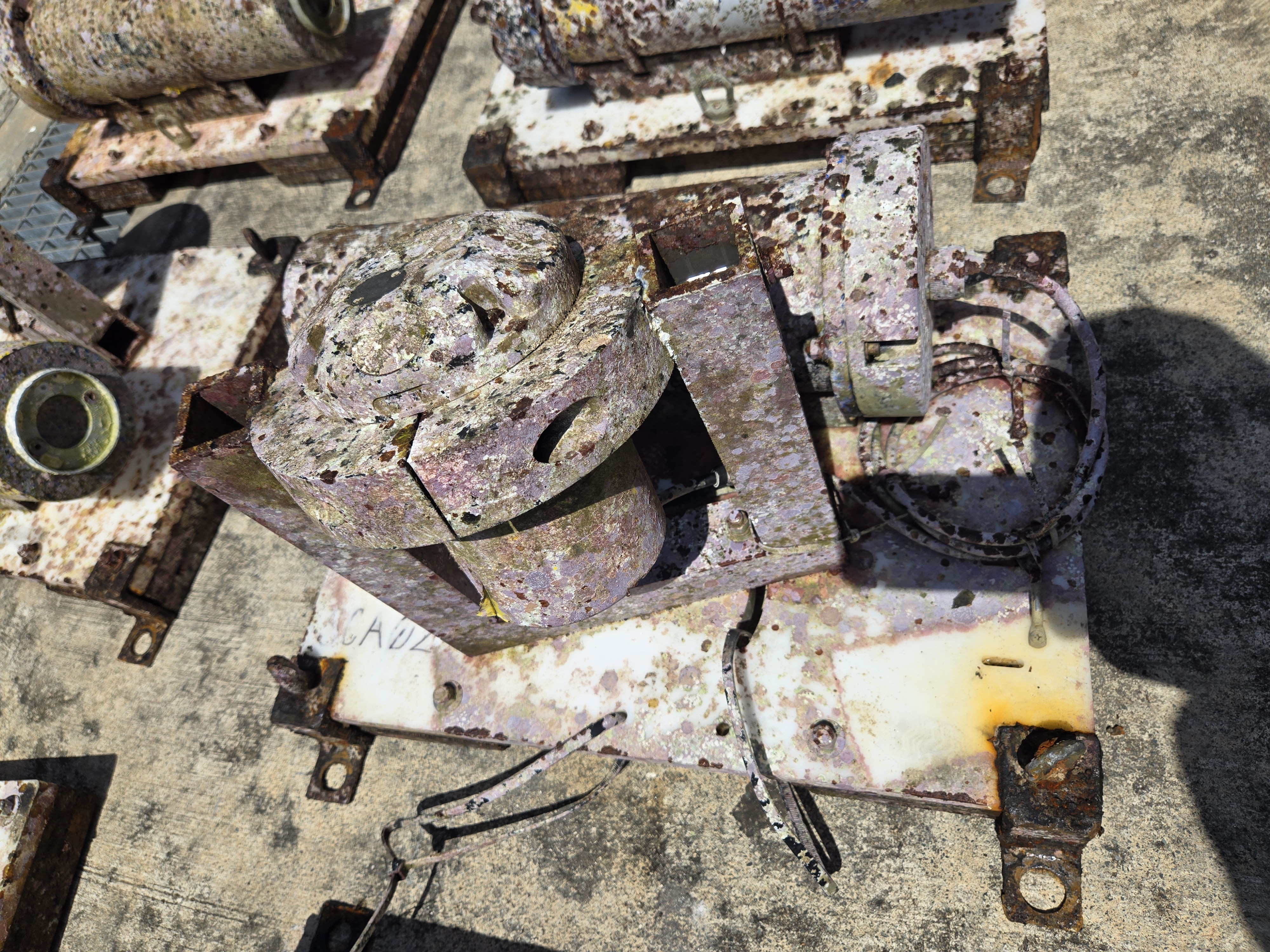
The 3 month experiment on the north shore of St. Thomas approaches completion. As usual, the field team kicked butt diving to recover instruments on and in between rocks, cliffs, crevices, nooks and crannies. Having pulled instruments from the coastal ocean of many places, I cannot get over how different this Caribbean bio-fouling looks. None of this is rust! As an added bonus, how fun to run into old friends and students. Shout out to Dr. Greg Guannel, Director of Caribbean Green Technology Center at UVI (Go Beavs!) and Drew Davey, PhD student at SIO (Go Hawks!)


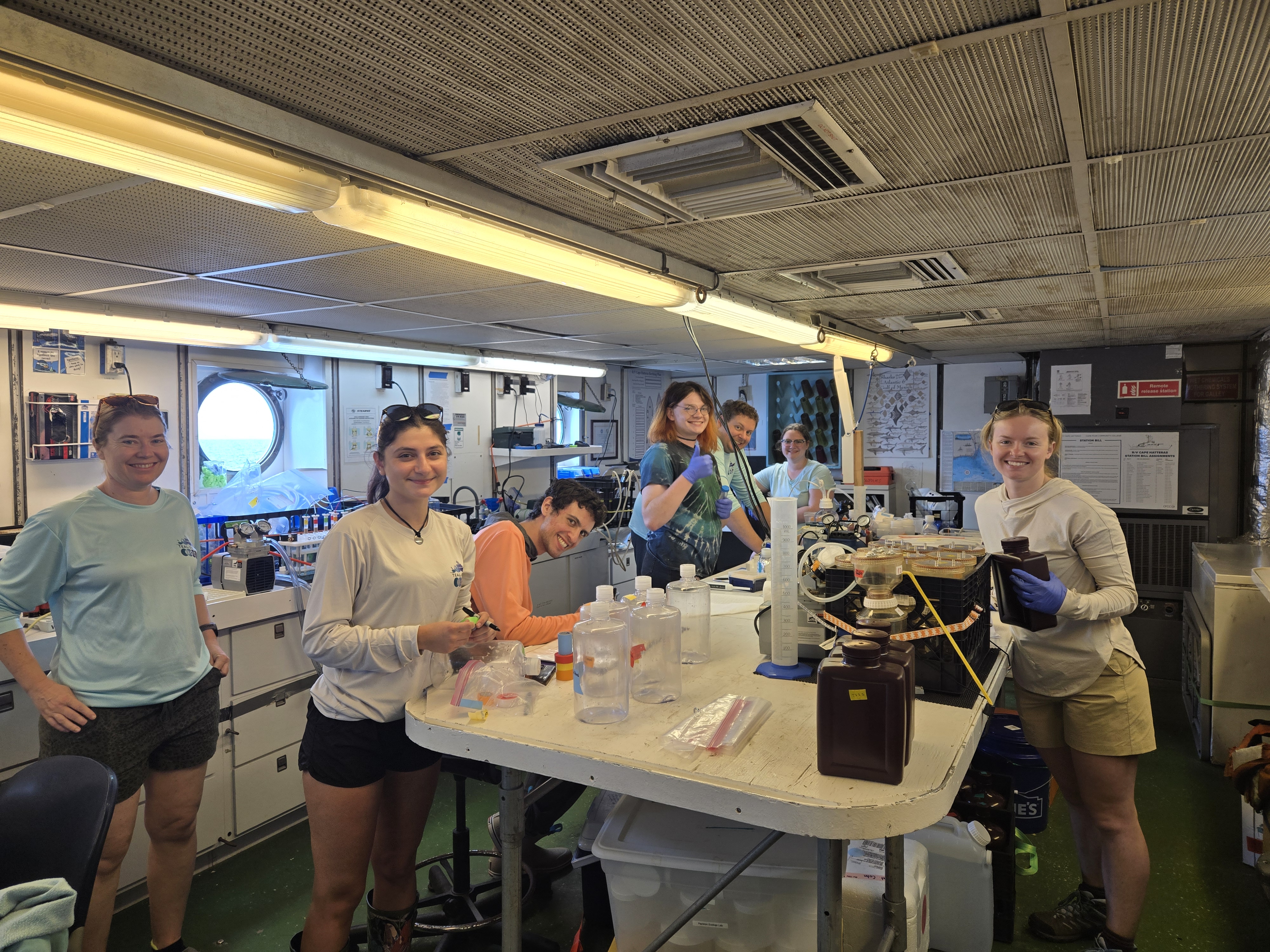
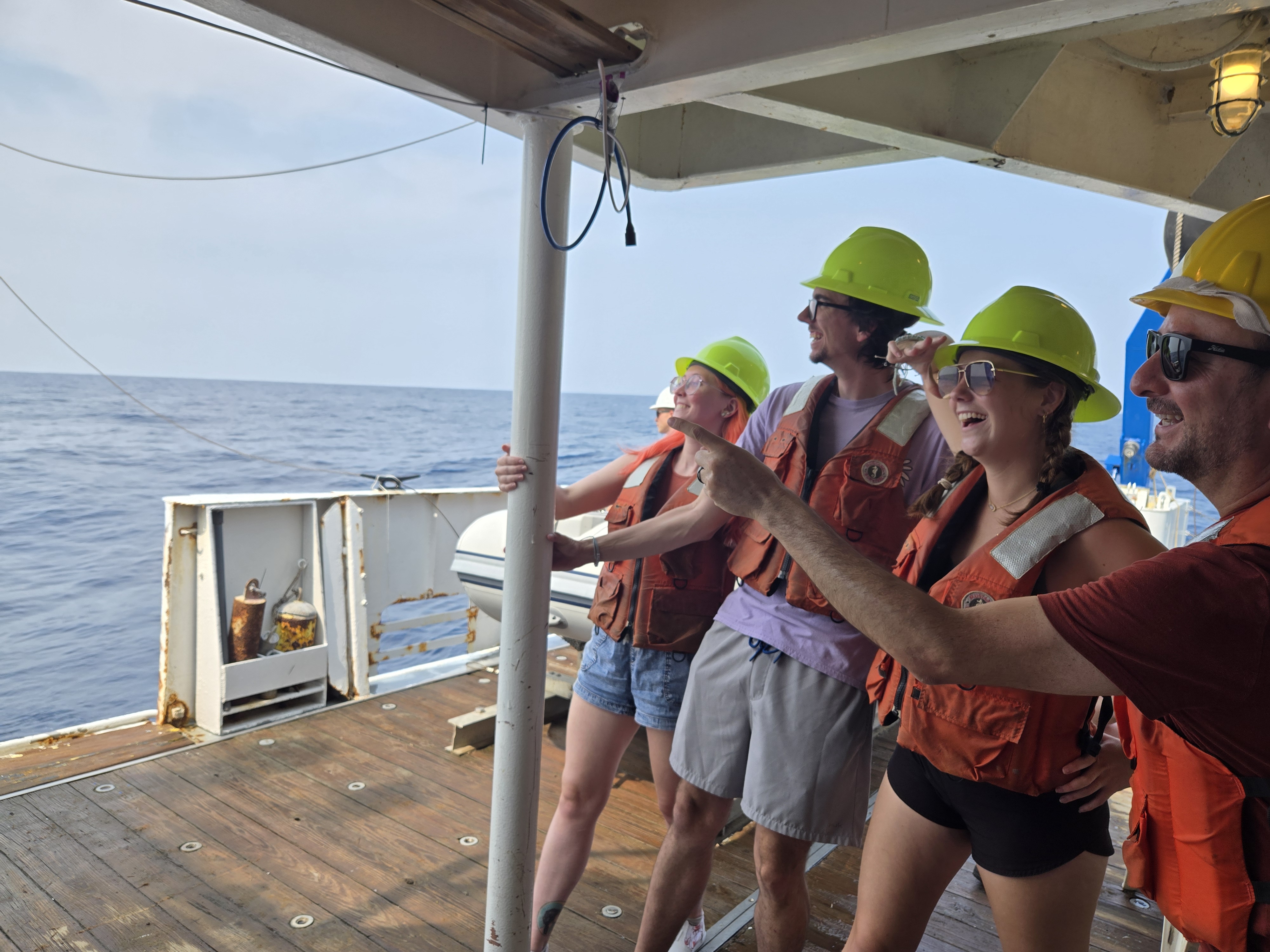
TEAL-SHIPS 1 in the books
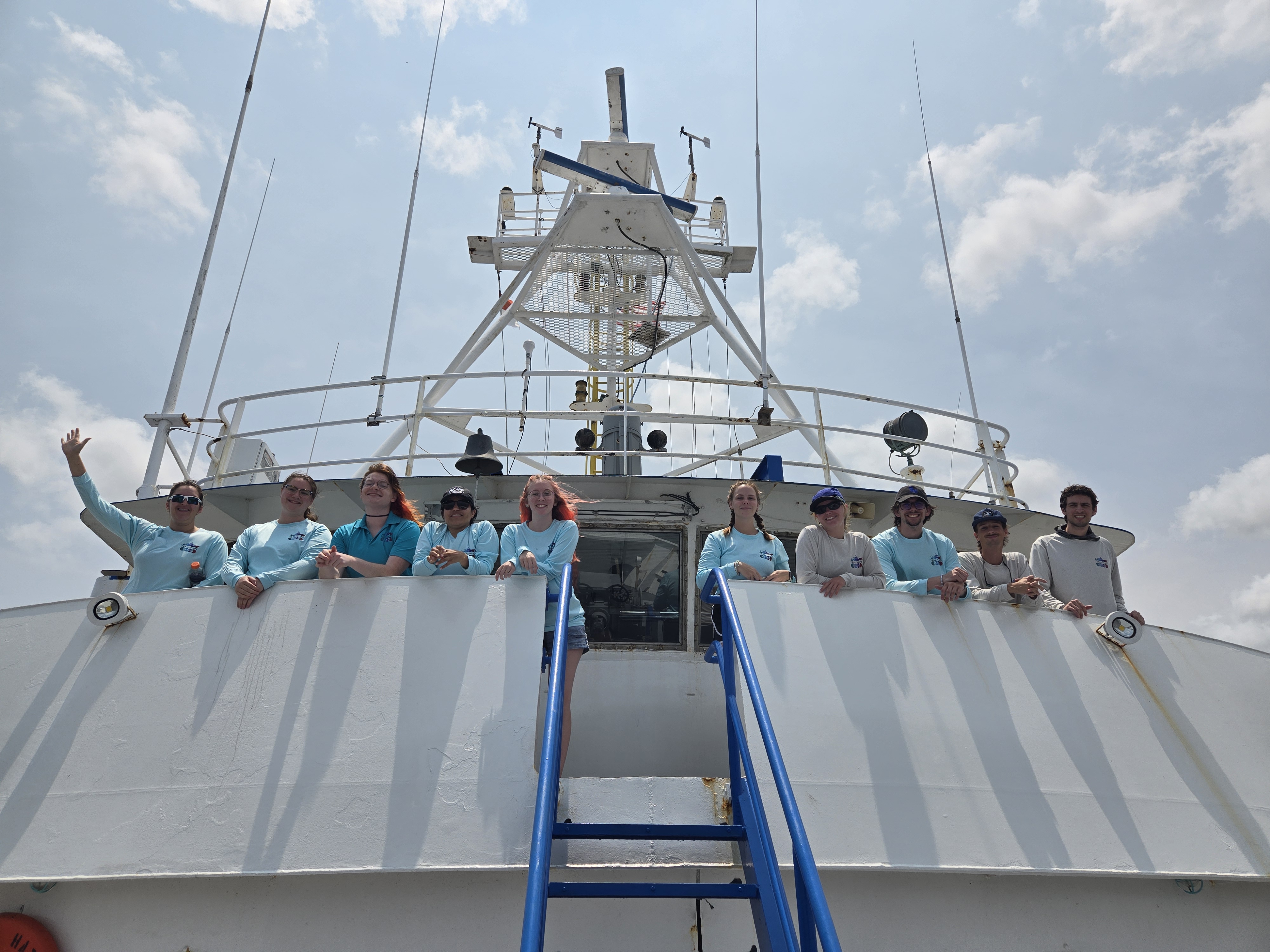
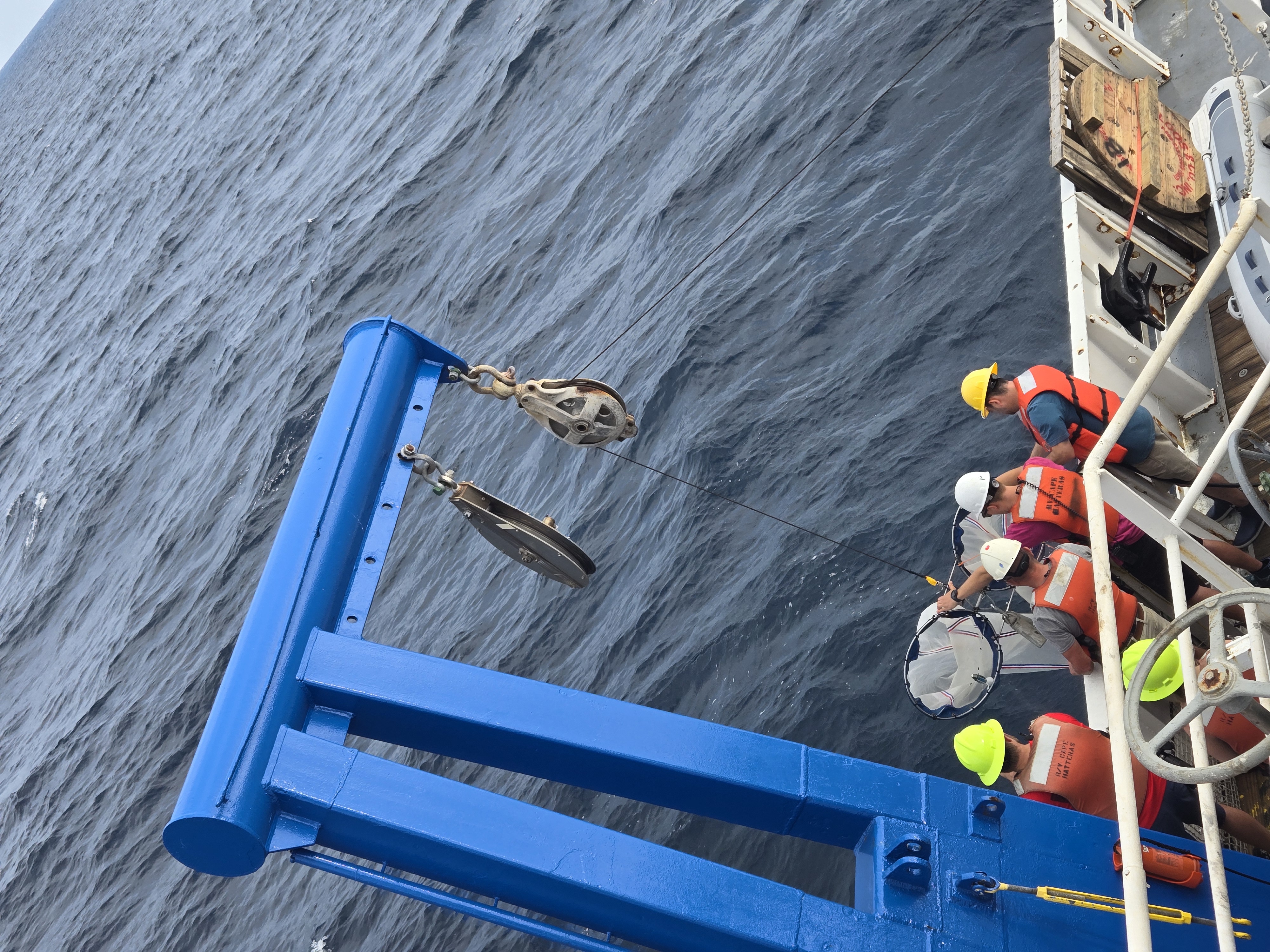
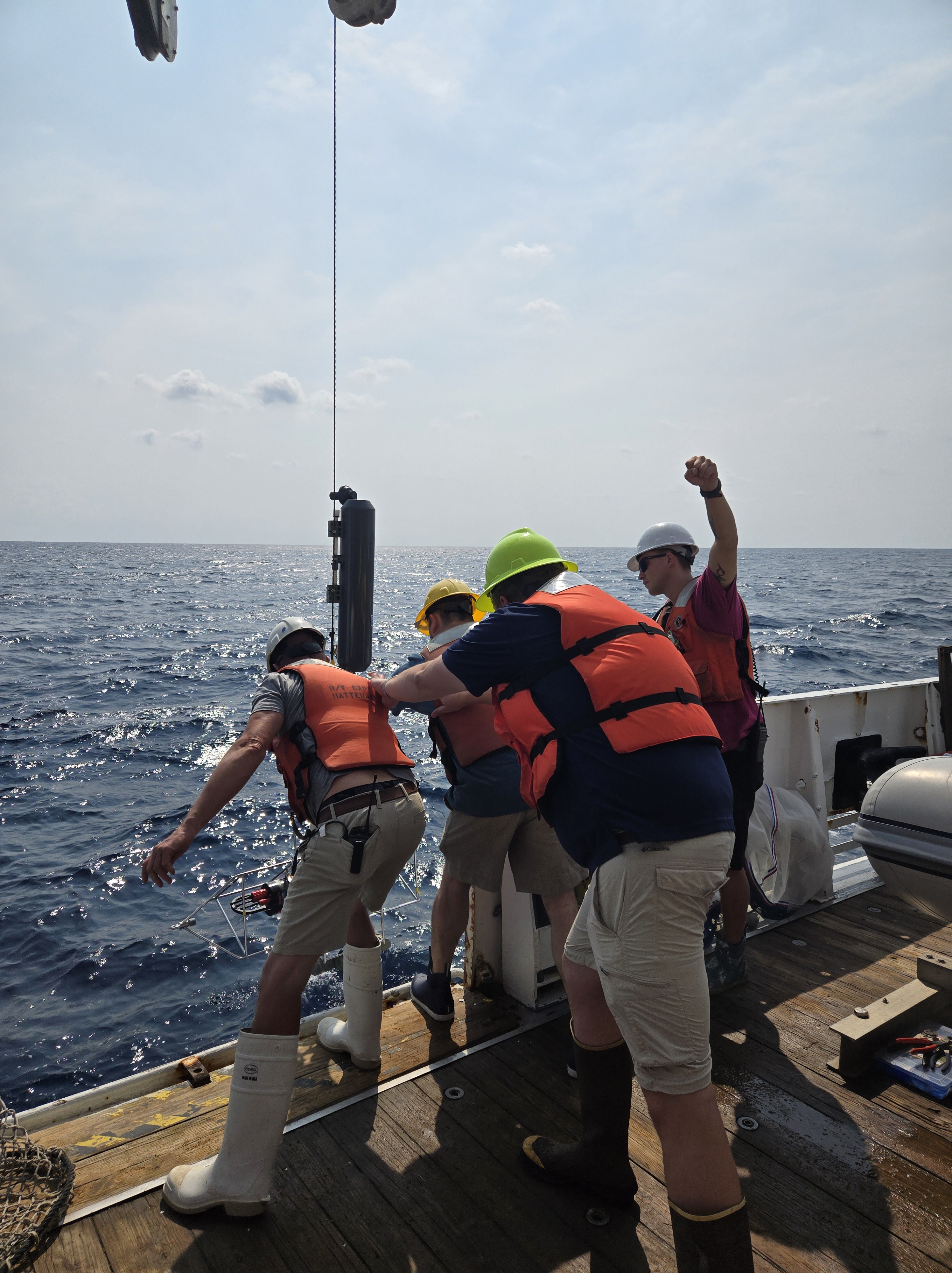
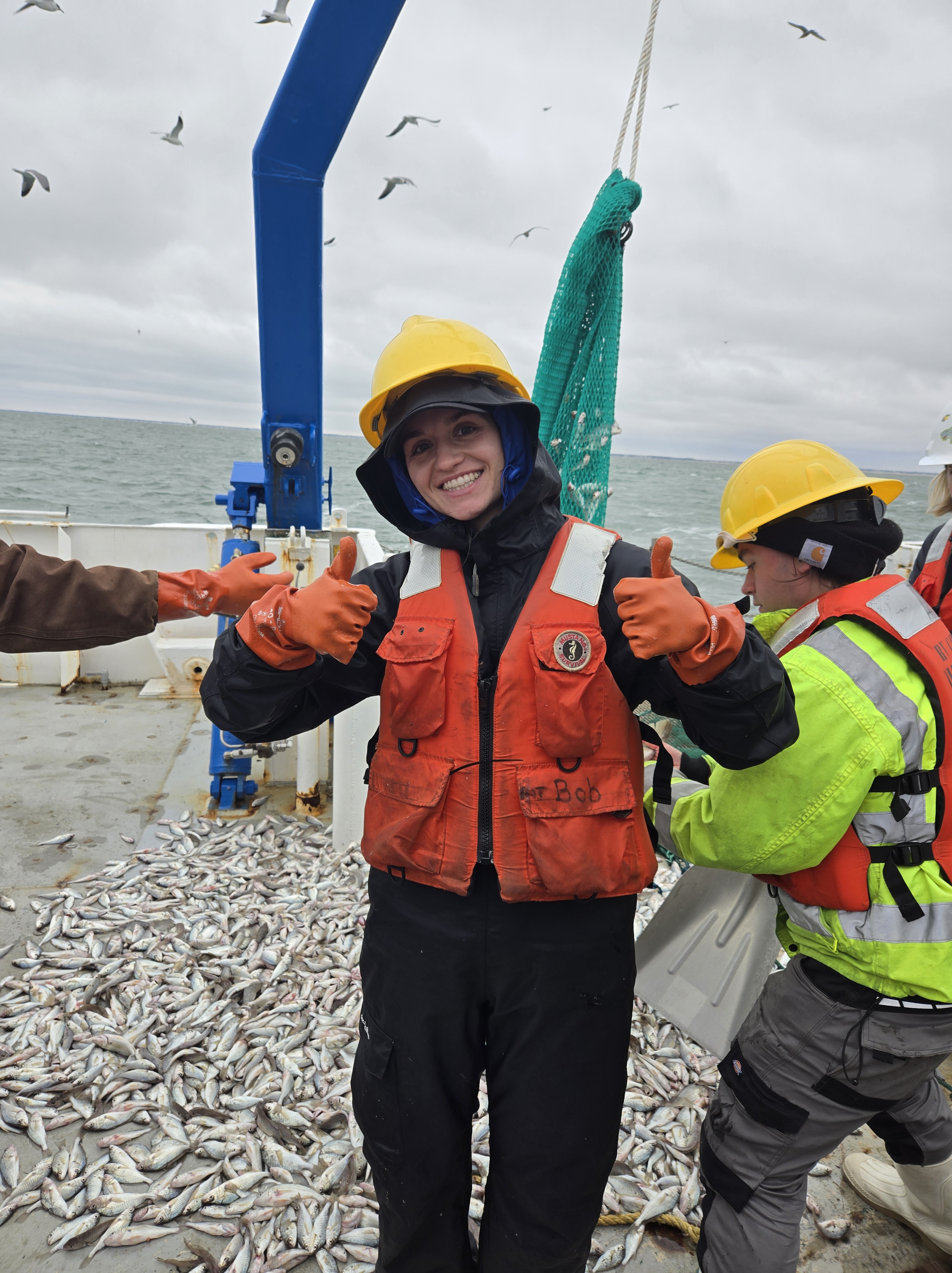
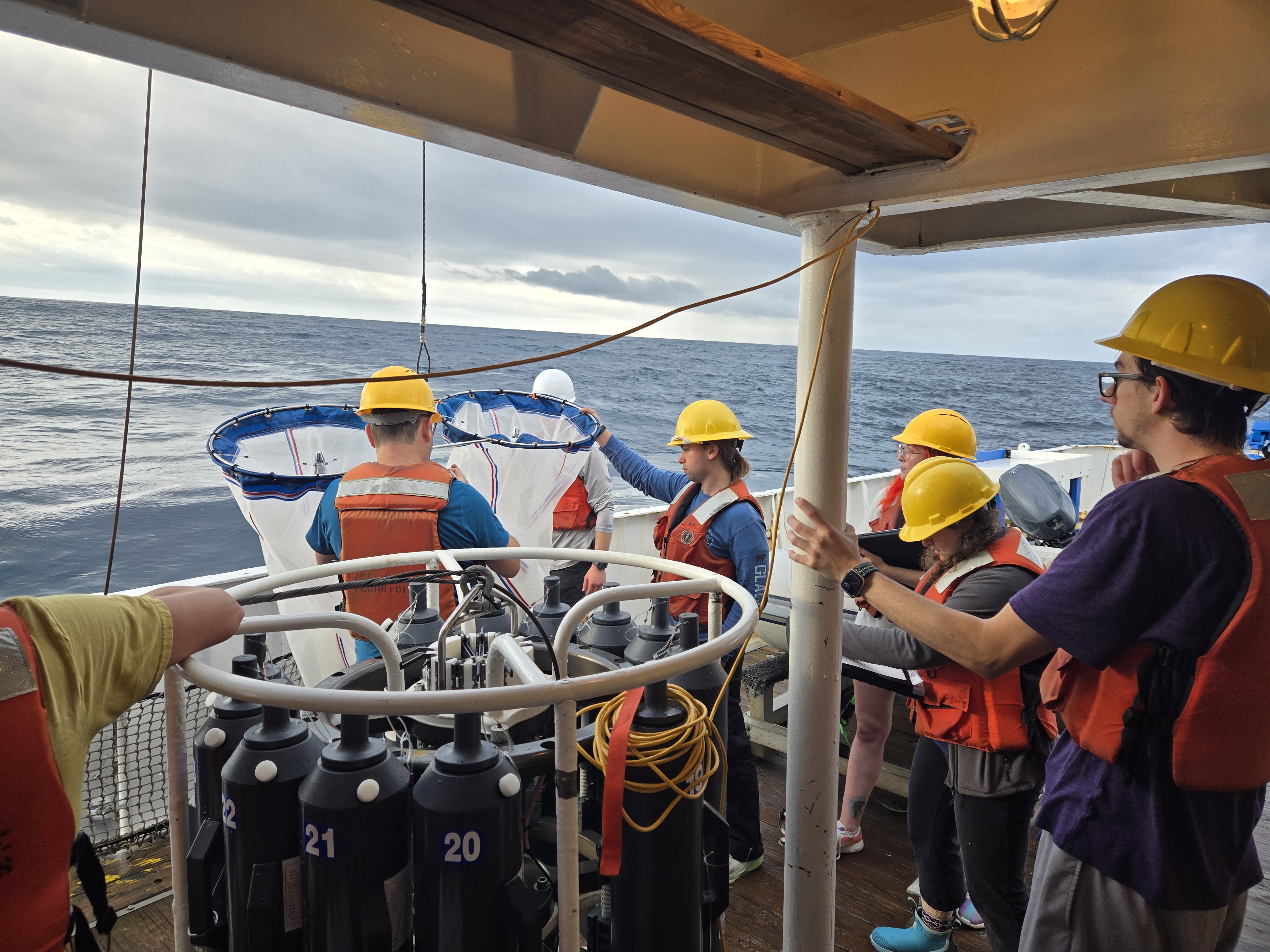
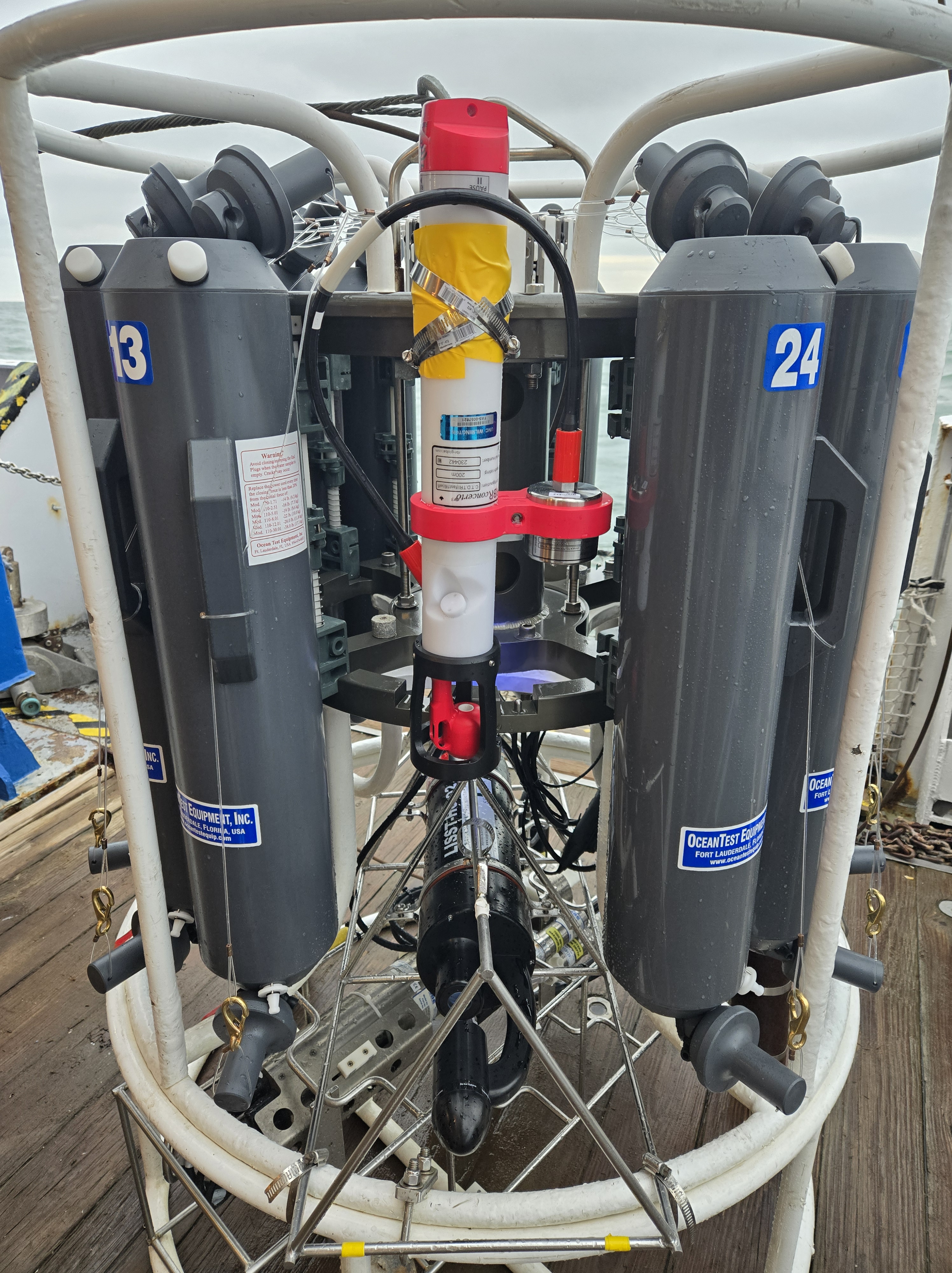
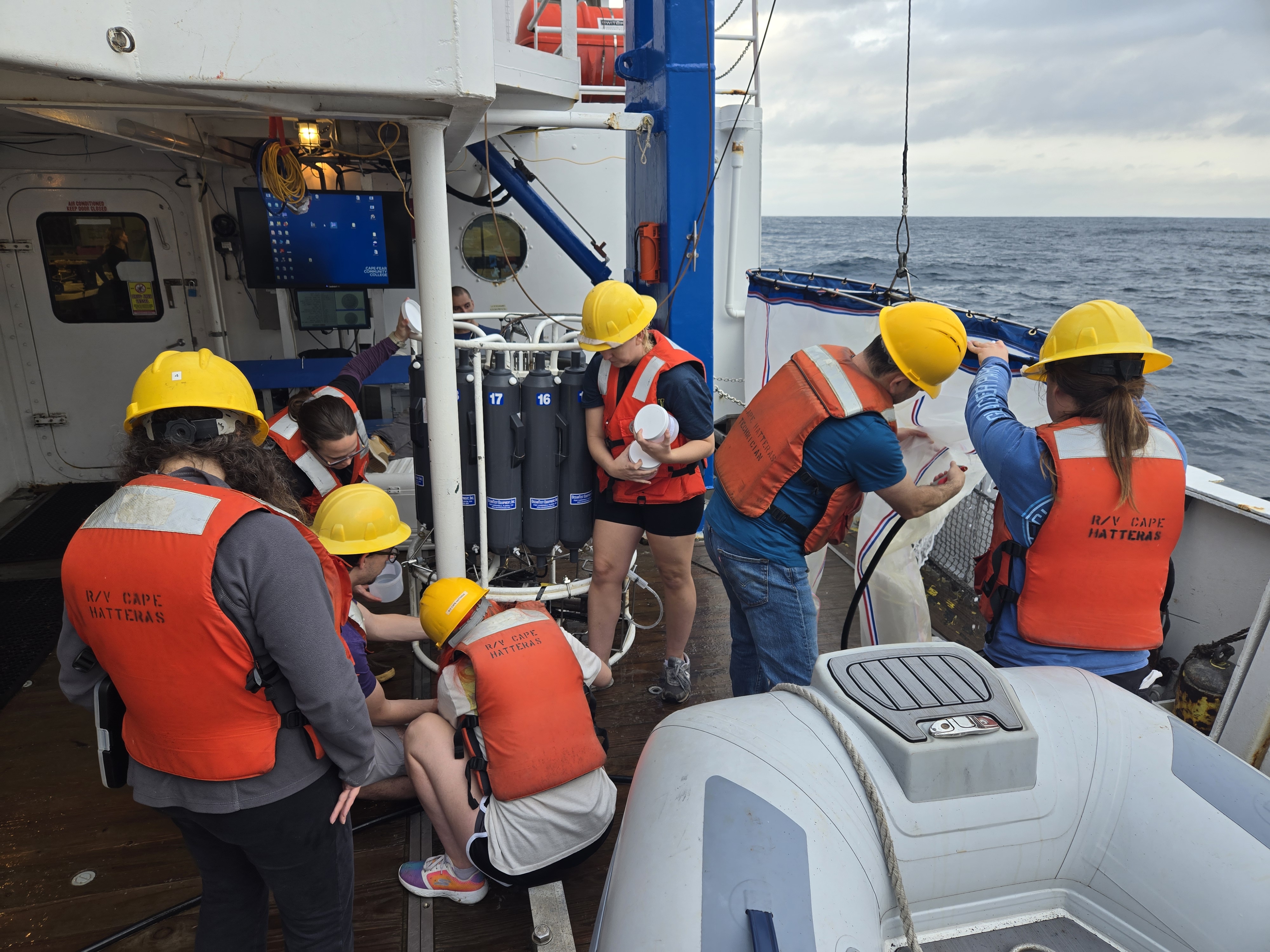
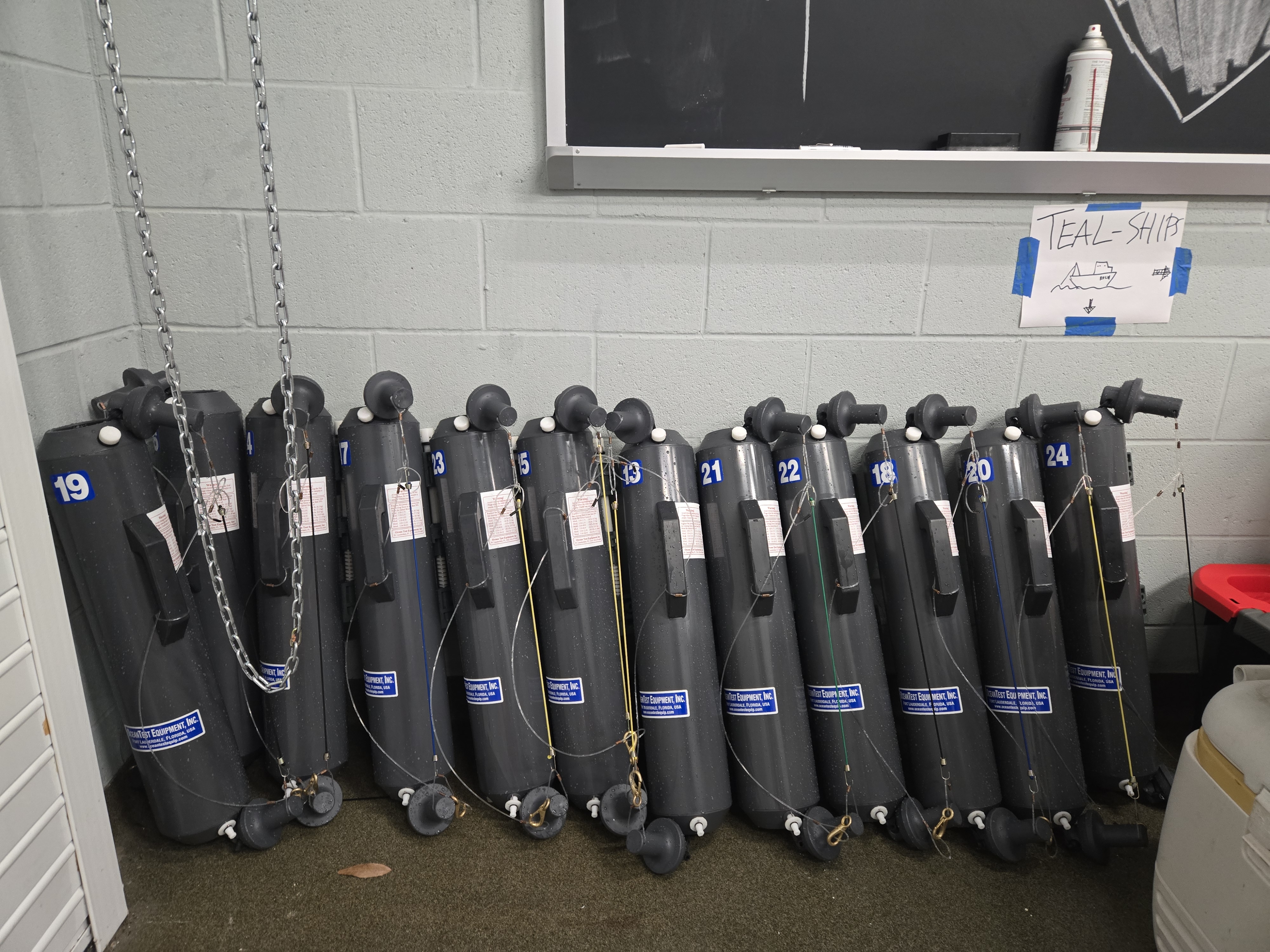
We have just completed our first cruise from the mouth of the Cape Fear into the Gulf Stream region. We went from winter to summer and back to winter again all in 3 days. HUGE thanks to the Captain and crew of RV Cape Hatteras for the expert navigation and deck work to get us out there and back all safe and sound. I have also never participated in such an interdisciplinary cruise. I learned so much from my colleagues, collaborators and students! Niskin bottles rinsed and ready for the next one.


Fish Fry 6 deployed!
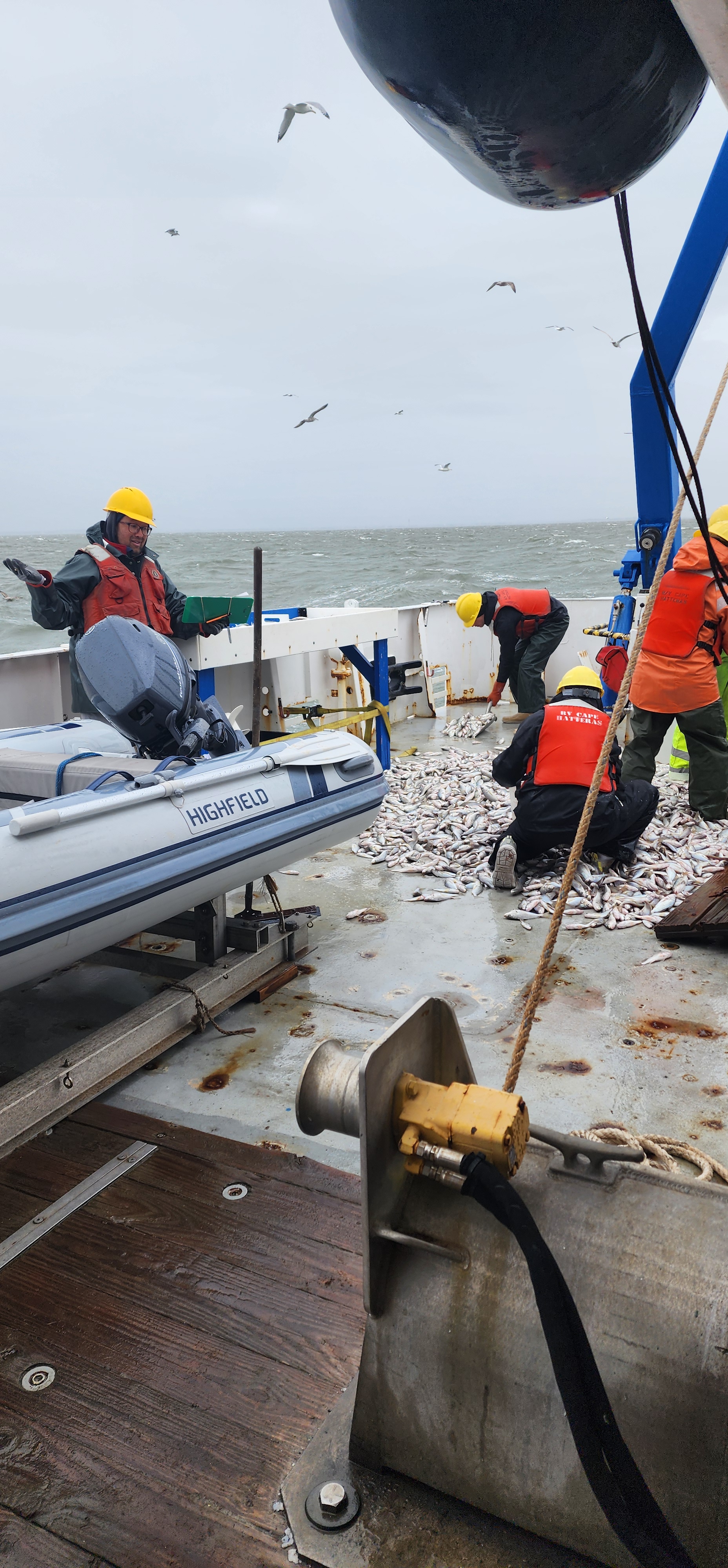
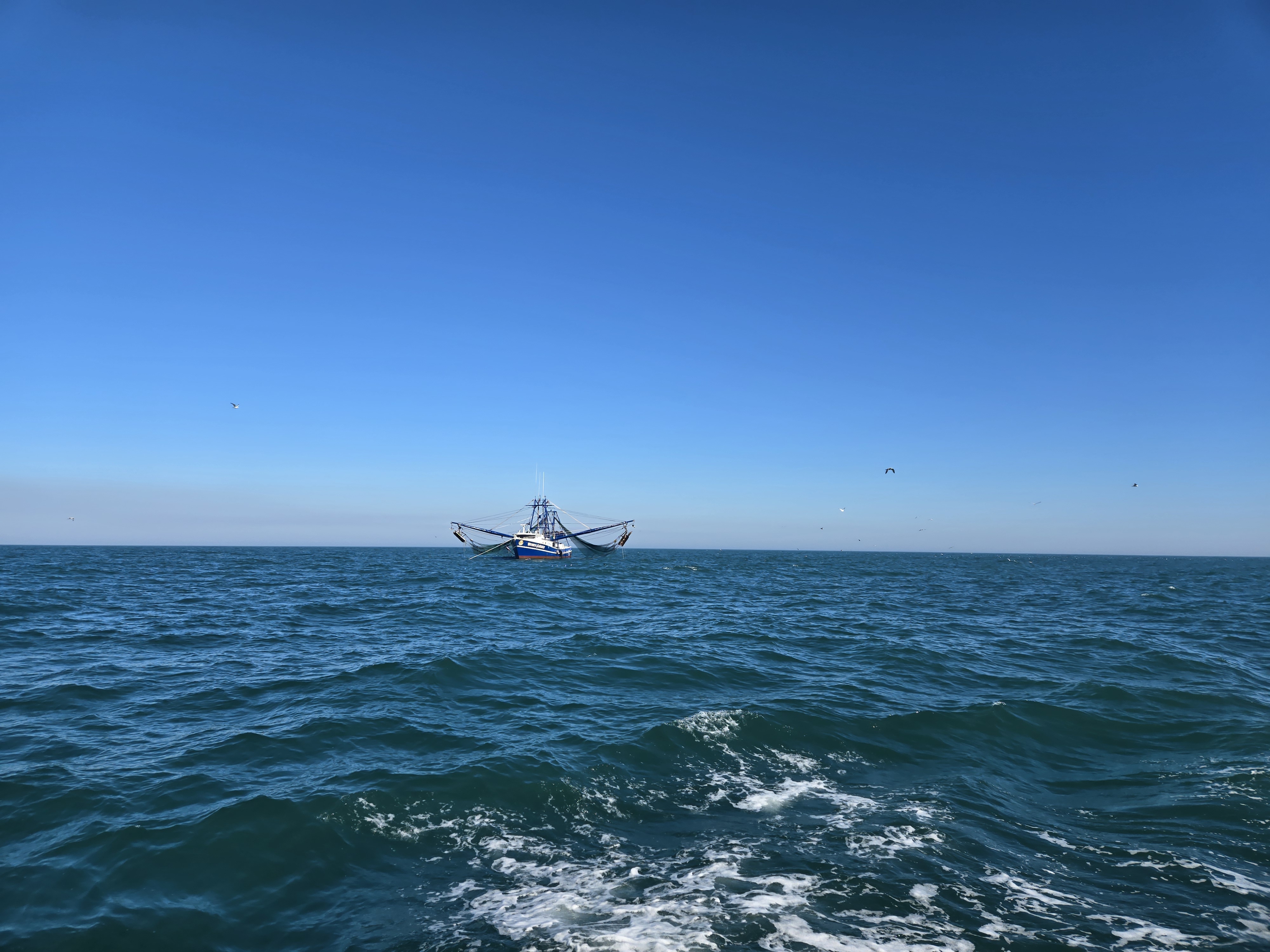
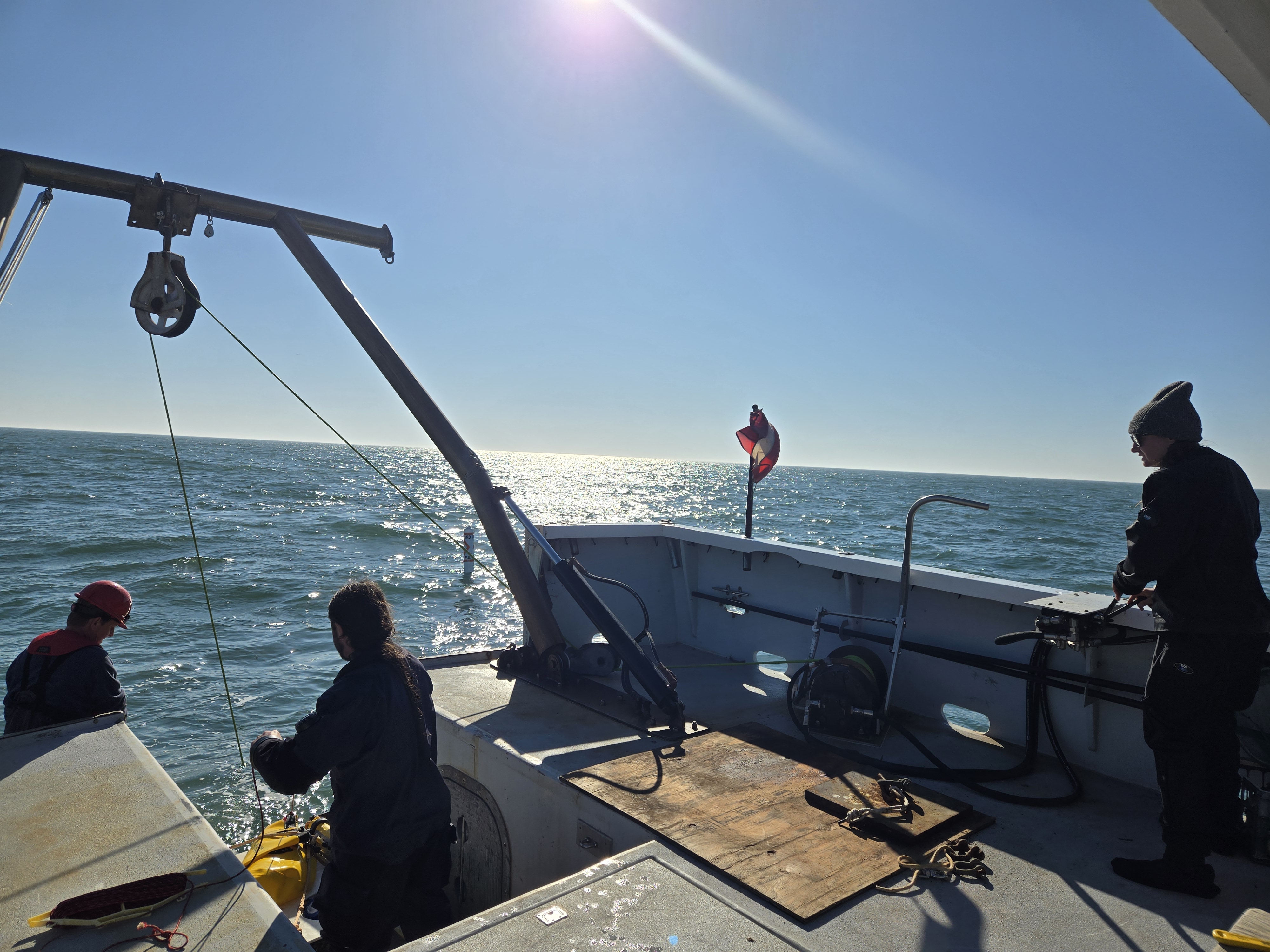
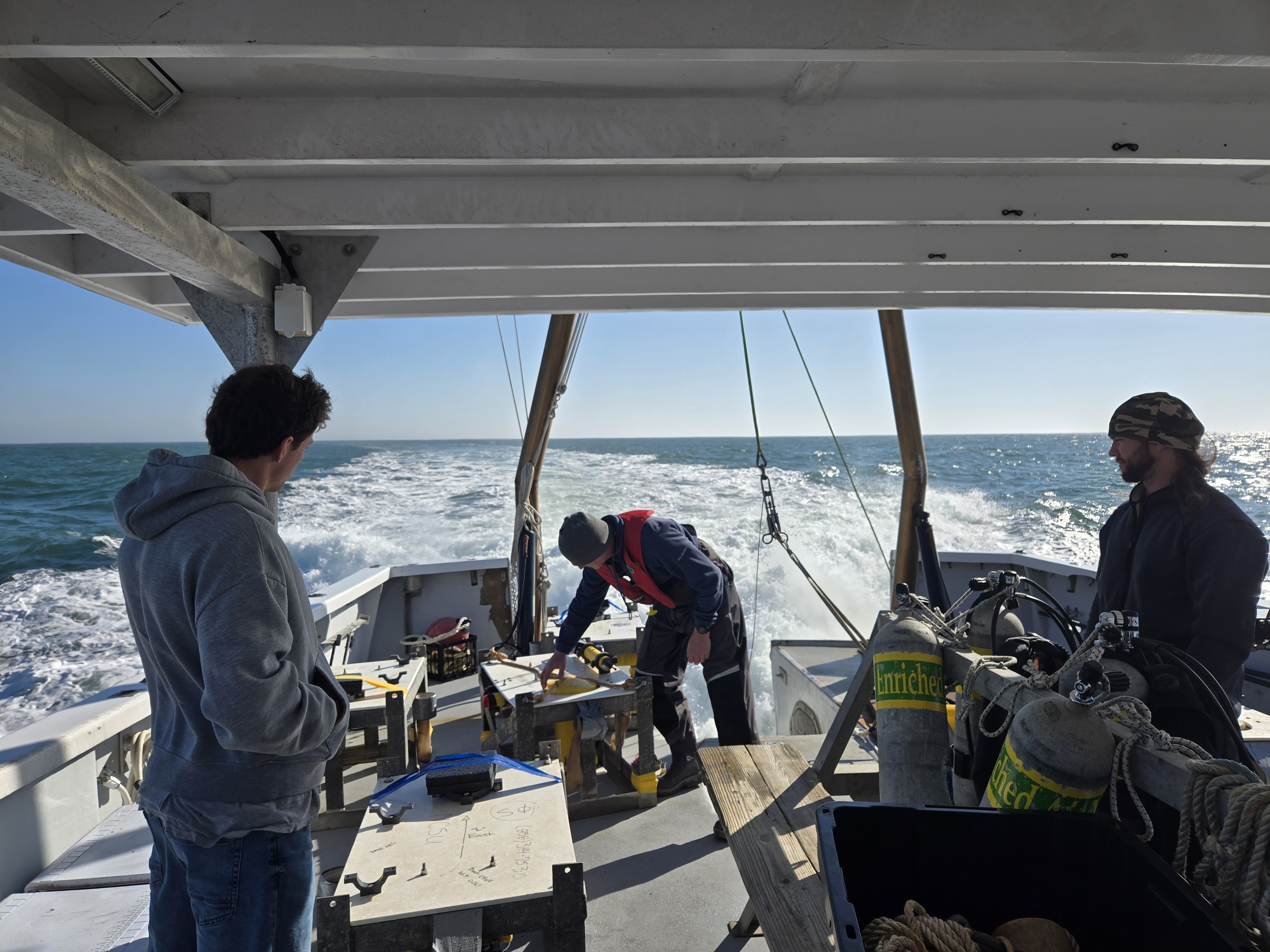
A full day of work on the water yesterday as we deployed our array for the 6th installment of our project around Frying Pan Shoals (5 landers, 2 wave buoys). As always, I am incredibly grateful to our team of technicians and divers to get these landers off the boat and into the water! Special shout-out to sister vessel RV Seahawk who were concurrently sampling the stations. Note, the shrimp trawler is NOT RV Seahawk.


New paper on transient rip currents on a barred beach
Dr. Emma Nuss has published her paper in JGR: Oceans! Using FUNWAVE-TVD simulations of transient rip currents on a barred beach, Emma found that the bar enhances both the generation of vorticity and the eddy-eddy interactions that lead to transient rip currents. The overall effect is that an increased directionally spread wave field does not always increase the transient rip current activity. Yikes! Some modifications to our previously published relations are now in order. Check out the paper here.
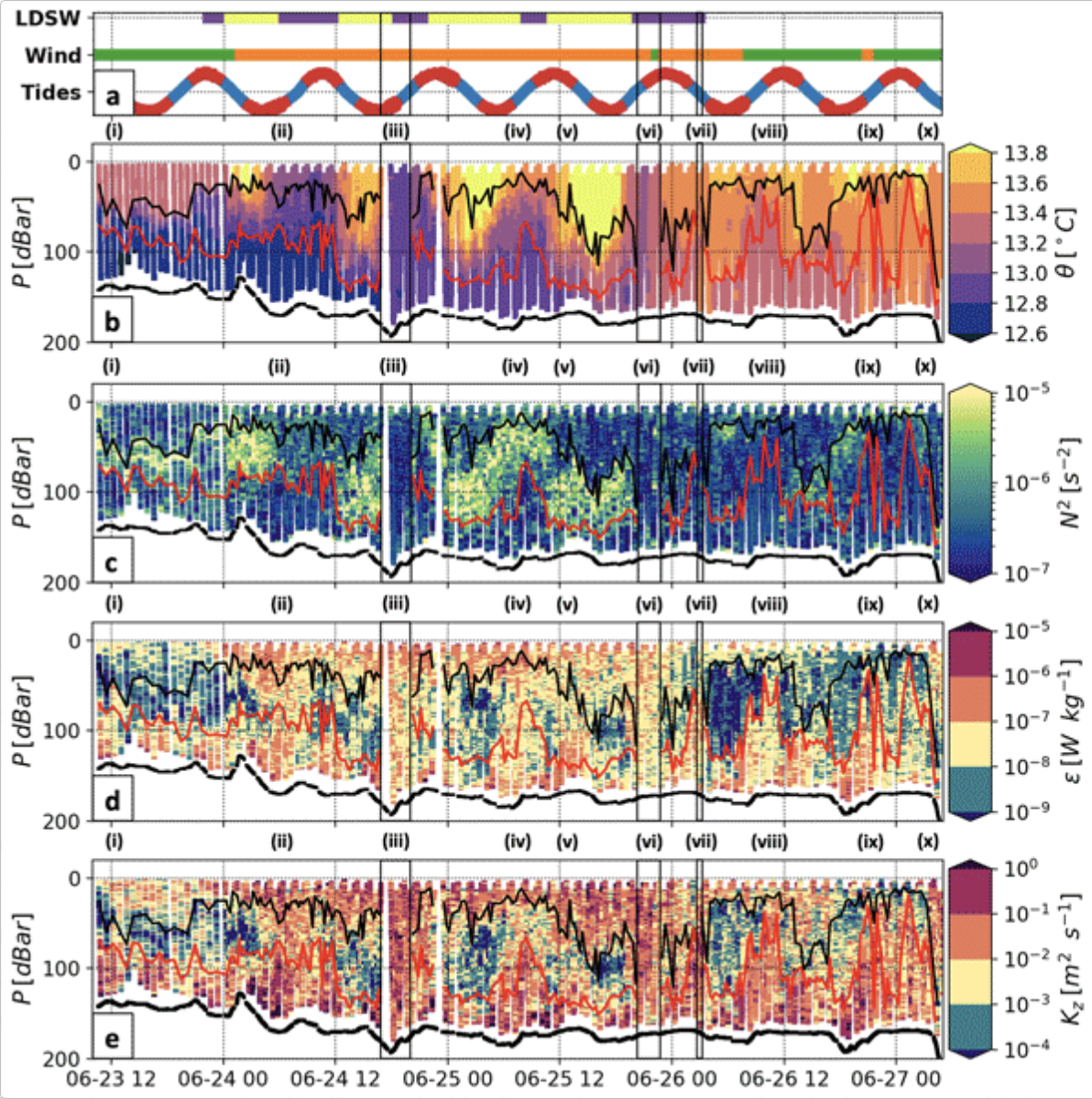
New internal wave paper published!
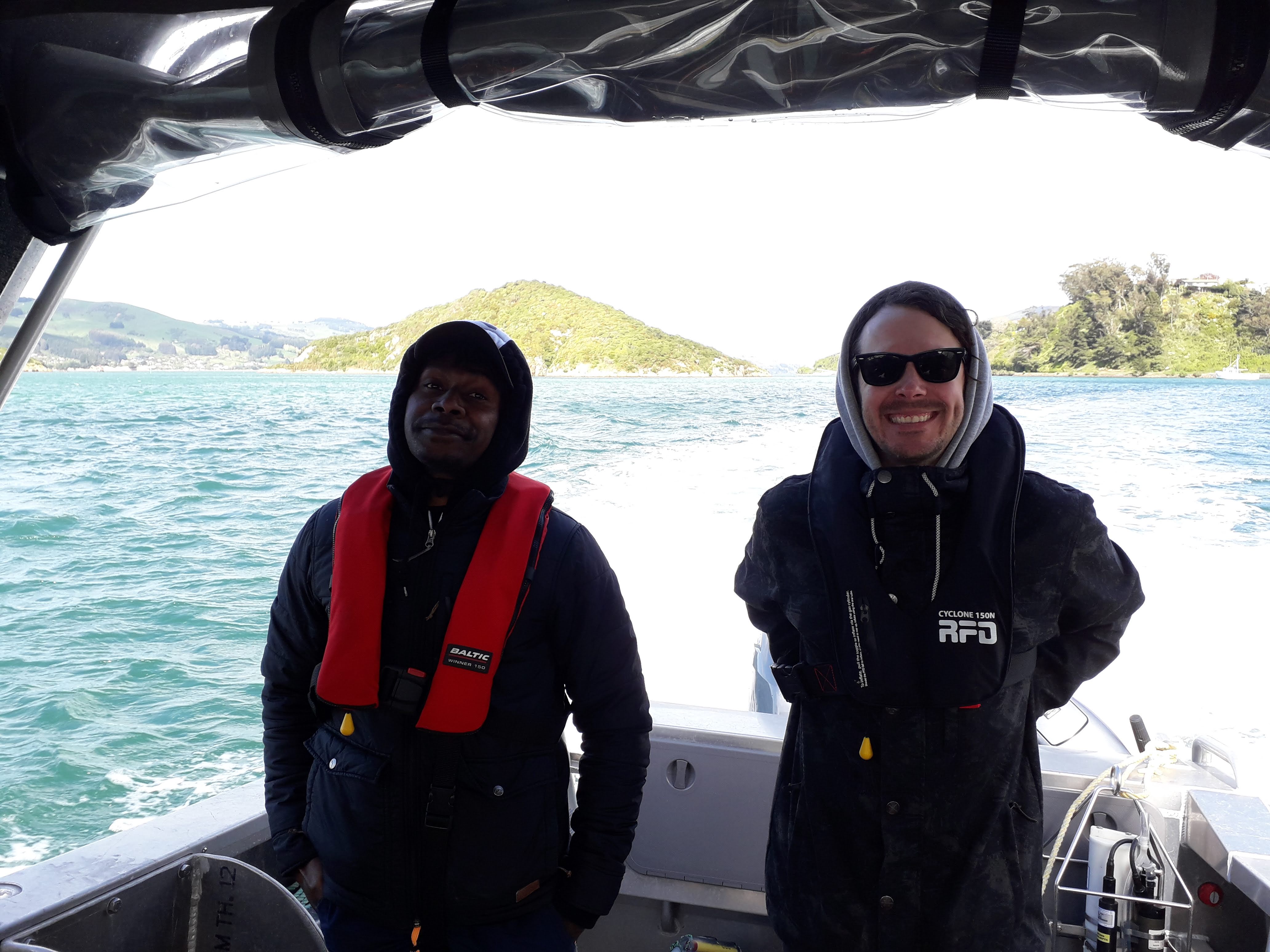
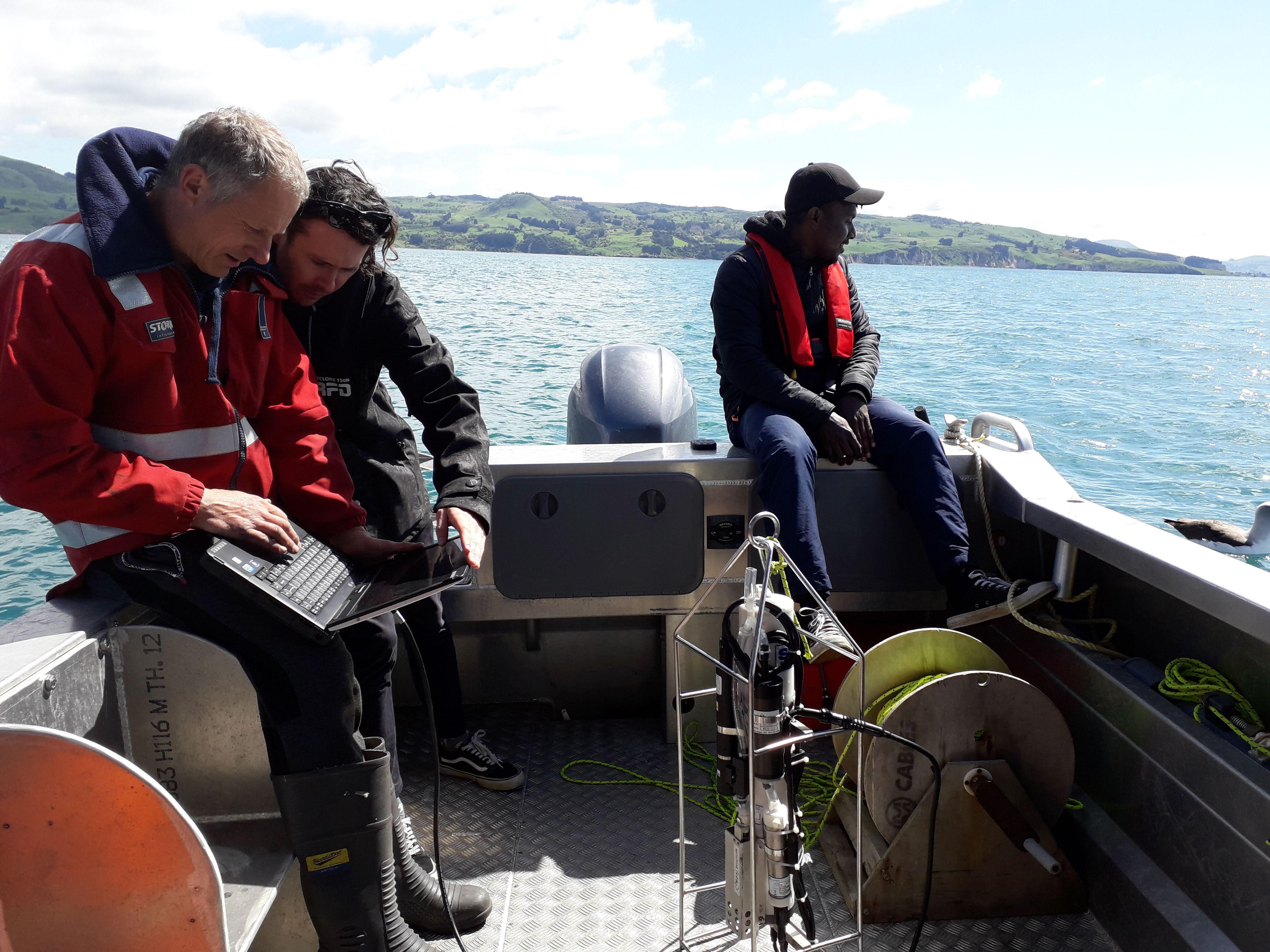
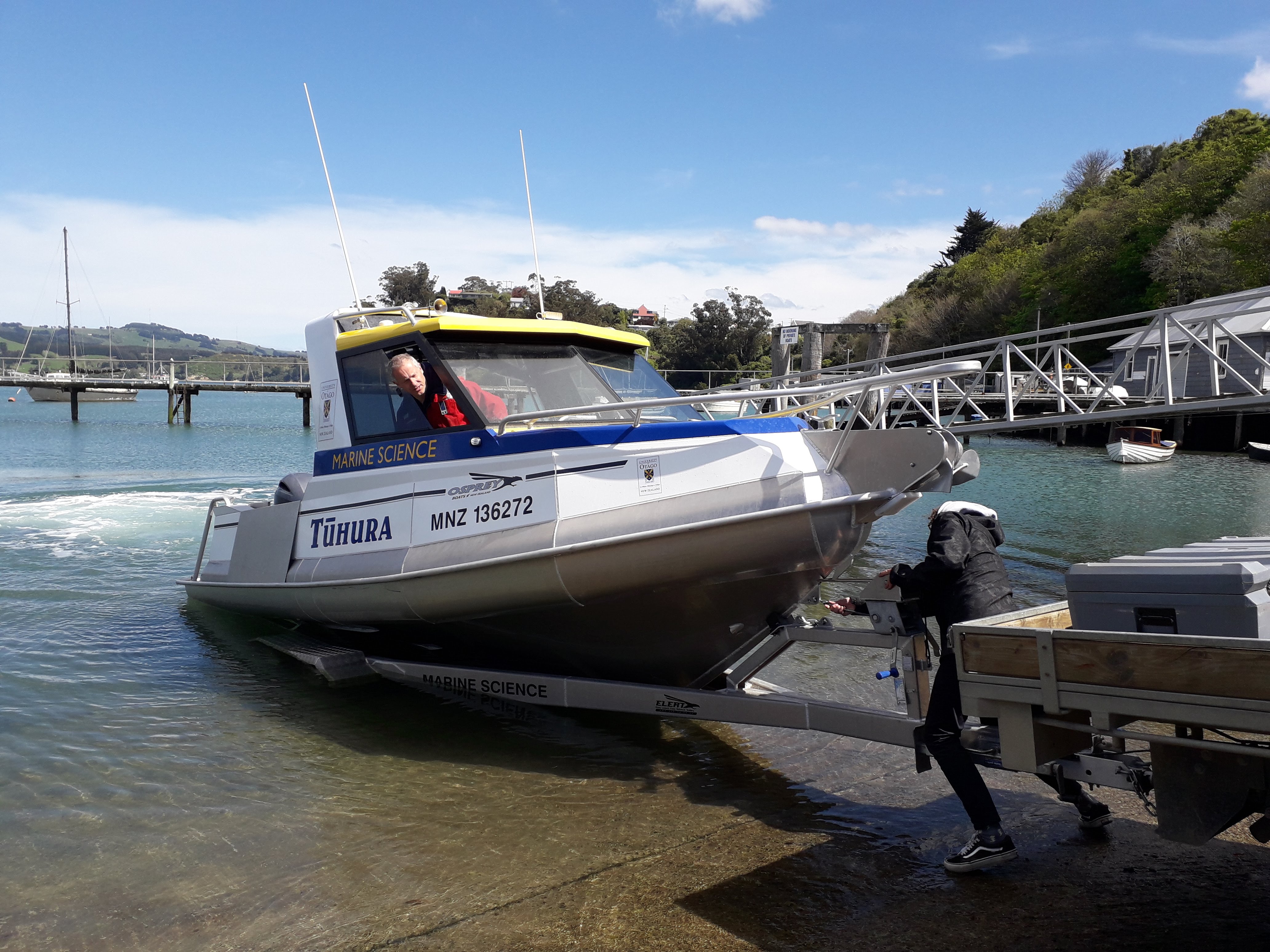
Our paper on shallow internal waves is published! The research documented internal waves at the mouth of Waitati inlet. Although we were interested in what goes in/out of Waitati, that topic was published years ago. This “offshore” story has taken awhile to finish, but I am very happy to have it out. We had a grand time doing the work and I thought it appropriate to post some pictures (Otago summer, 2018). From hallway mooring construction to cruising in RV Tūhura, oceanography delivers again.


Congratulations, Dr. Nuss!
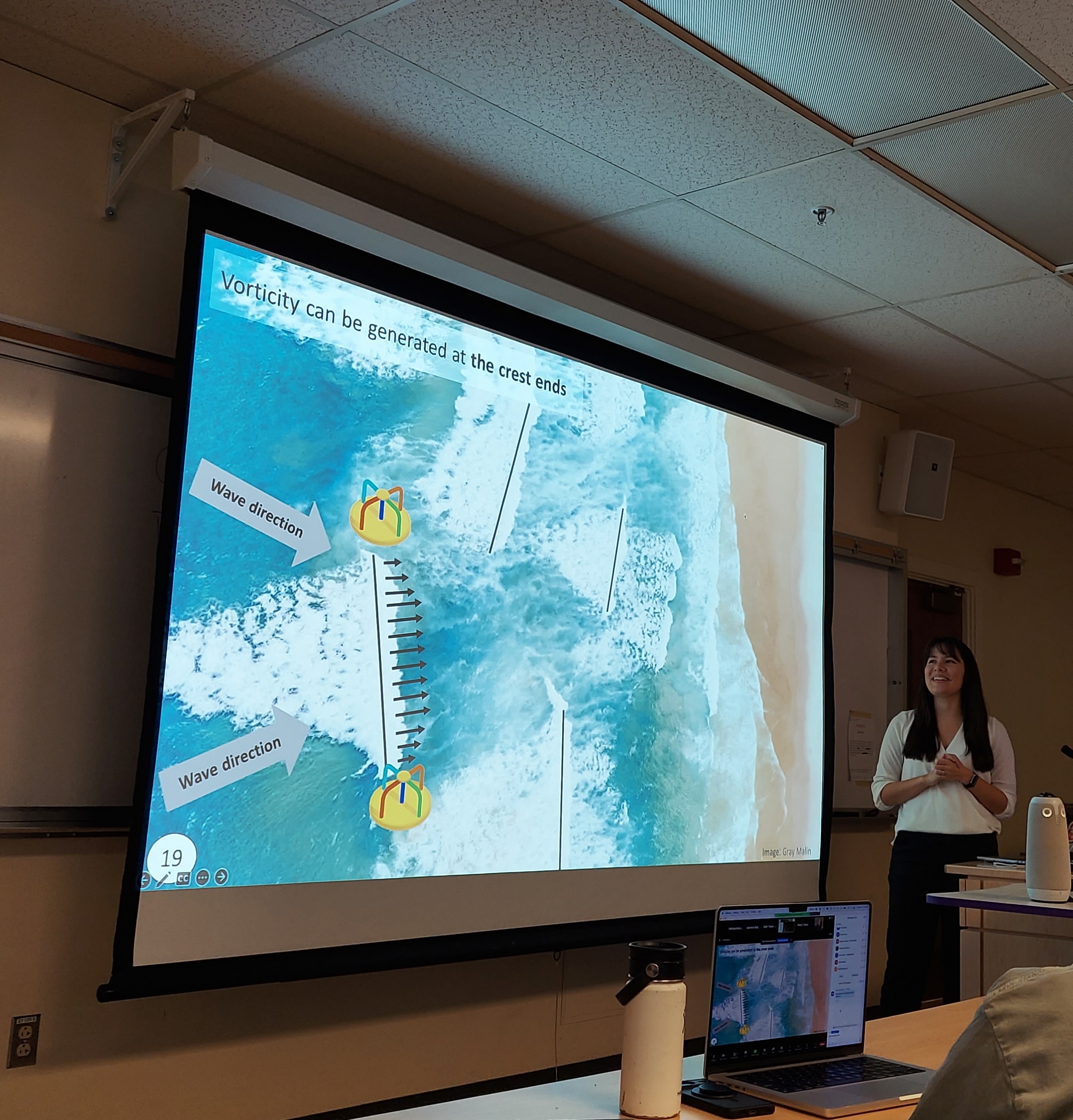
Emma Nuss defended her PhD thesis, “An investigation of surf-zone vorticity using phase-resolved numerical modeling and eddy tracking.” Combining numerical model output with image processing and machine learning tools, Emma has introduced a wonderful eddy-focused perspective for transient surf-zone vorticity. Her terrific defense presentation included the following enduring images, carousels spun by breaking surface waves and a clustering demo with your favorite desserts. Congratulations, Dr. Nuss!


OOI Pioneer Array workshop
Thank you to the OOIFB and Pioneer Array data team for a terrific workshop this week in Norfolk, VA. The workshop provided an overview of the data, science and outreach opportunities offered by the array, relocated to our backyard earlier this year (see this link for details from OOI). I see PA as the closest thing to a particle accelerator or large telescope facility that our oceanographic research community has access to.


It will be exciting to integrate and compare our upcoming TEAL-SHIPS results with PA collections and continue to make regional connections. Some preliminary analysis courtesy of the Global Drifter Program surface floats suggests a ~10 day time scale for surface material from near the TEAL-SHIPS transect (see the magenta line in the above plot) to arrive at the array.
New paper on the influence of ocean currents on the carbon cycle
In regions where surface ocean CO2 concentration is less than the atmosphere, the ocean functions as a net sink for atmospheric carbon. How strong is this sink and what determines it?
Dr. Jesse Vance has published one of his thesis chapters where a 20 year shipboard time series of pCO2 is combined with satellite and ocean model data to show that advection of gradients by ocean currents contributes significantly to the seasonal to decadal time scale of variability in the strength of this sink. Click this link for the full article.